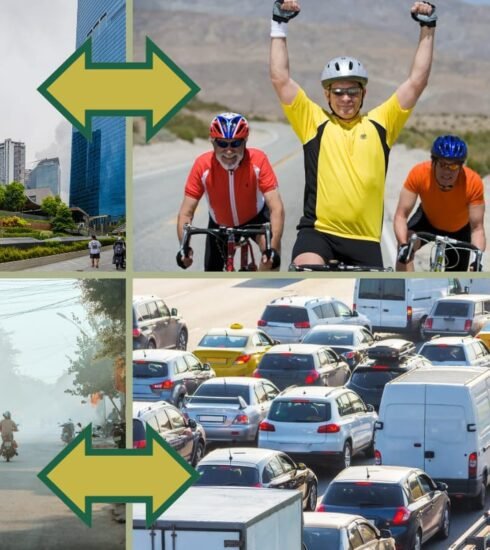

Nature Became Accessible. Better Civic Sense? Not So Much.
Twenty years ago, reaching India’s most breathtaking landscapes required planning, patience and occasionally, a little luck. Today, a long weekend, budget flight and Instagram recommendation can get you there. Improved connectivity has opened up once-remote destinations, creating new opportunities for tourism and local communities. But accessibility comes with a price: growing crowds are putting pressure on water, waste, infrastructure and fragile ecosystems. As more of us discover these places, can we make sure they remain worth discovering? And worth living for the locals?
Travel and tourism contributed nearly ₹21.15 trillion to India’s economy in 2024 and supported one in every 11 jobs, highlighting how deeply travel has become embedded in the country’s economic and social landscape. But can tourism grow without costing nature too much?
When Hidden Destinations Become Household Names
Ladakh, Spiti, Kasol, Rishikesh and Goa were once the kind of places you travelled to escape the crowds. Today, many are bustling year-round. And getting there has never been easier: India’s operational airports have more than doubled, from 74 in 2014 to 159 in 2024. Better highways and regional air links have further opened up these destinations.
There’s nothing inherently wrong with a destination becoming popular. In fact, tourism can bring much-needed livelihoods and investment to local communities. The problem begins when growth happens faster than a place can sustainably accommodate it. A hidden destination becoming a household name isn’t the issue; becoming one without the systems to support that popularity is.
How Social Media Accelerated What Infrastructure Couldn’t
For decades, destinations became popular gradually. Guidebooks, travel magazines and word of mouth spread awareness over years, giving communities time to adapt. Today, popularity can arrive over a weekend. One viral reel. One drone shot. One influencer calling somewhere “India’s hidden gem.” Suddenly, a quiet destination can find itself welcoming thousands of visitors, often before it has had time to prepare.
And this isn’t just a hypothetical scenario:
- Ladakh: Growing tourism continues to intensify pressure on limited freshwater resources in one of India’s cold desert ecosystems.
- Shimla: Peak tourist seasons regularly coincide with severe water shortages for residents.
- Spiti: Fragile mountain landscapes are increasingly dealing with plastic waste despite limited waste-processing infrastructure.
- Nainital & Mussoorie: Lake pollution, congestion and unplanned visitor growth continue to strain local infrastructure.
- Munnar & Coorg: Expanding hospitality infrastructure is placing increasing pressure on forests, wildlife habitats and changing land use.
- Jaisalmer & the Valley of Flowers: Off-road tourism, trail erosion and unmanaged visitor movement are affecting fragile ecosystems.
- Andaman & Lakshadweep: Coral reefs remain vulnerable to irresponsible marine tourism and coastal development.
- Mount Everest: More than 1,000 summits were recorded in a year, with climbers facing queues of up to 12 hours near the summit while garbage continues to accumulate on the mountain.
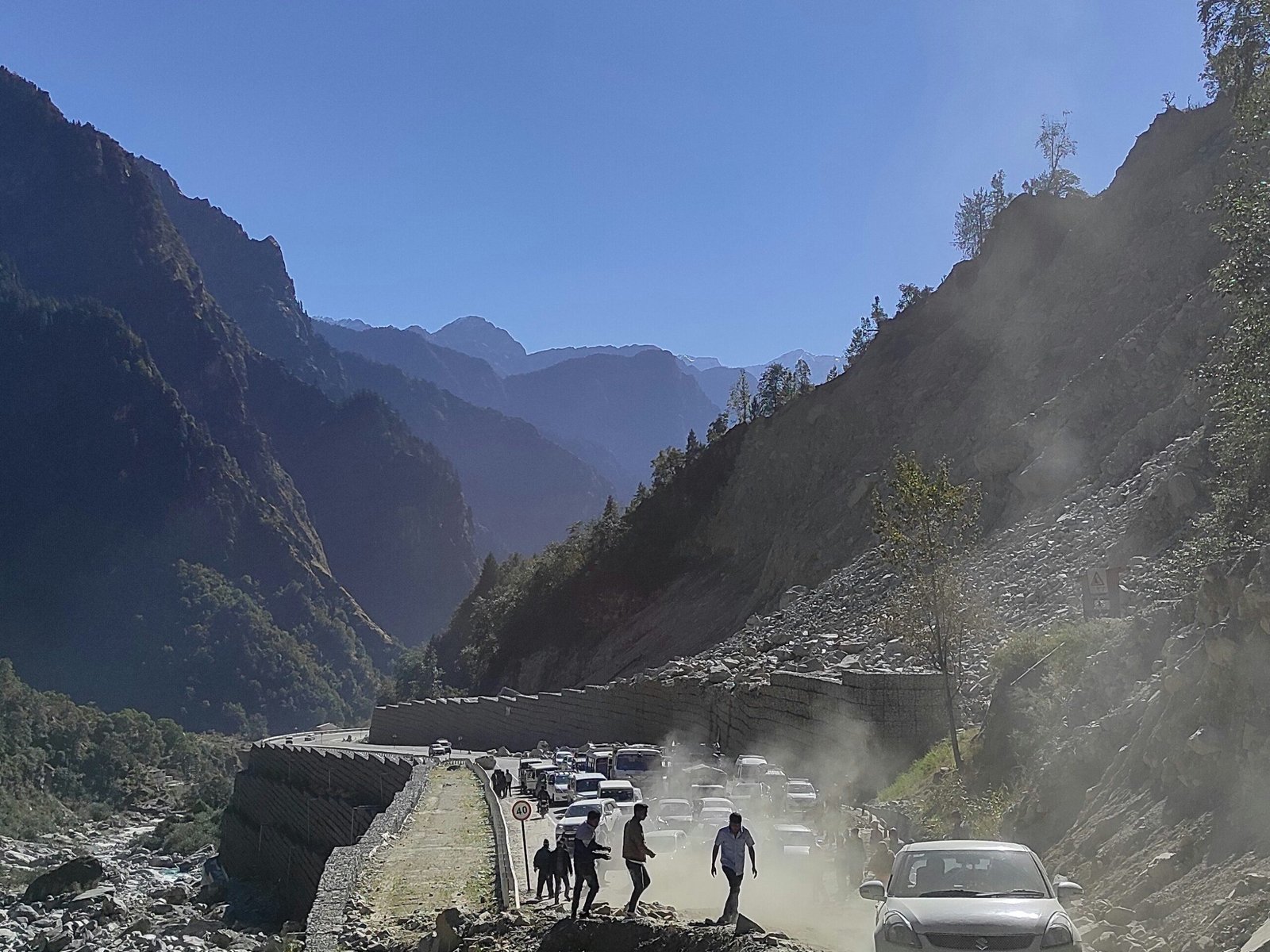
Travelling Is Easy. Travelling Responsibly Takes Intention.
Visiting nature isn’t the same as respecting it. Responsible tourism is shaped by hundreds of everyday decisions that either protect a destination or gradually degrade it.
Travel isn’t just about seeing a new place; it’s about learning how to exist in it. Yet Indian tourists have occasionally made headlines in Bali, Switzerland, Japan and Europe for loud music, dance reels and public performances. The criticism wasn’t about celebrating culture. It was about not recognising that every destination has its own etiquette, and being a visitor means adapting to it rather than expecting it to adapt to you.
Who Pays When Tourists Leave?
Tourism may bring the crowds—and the cash—but that money doesn’t always flow to where the pressure is greatest. Hotels, booking platforms and outside businesses may take a significant share, while local communities are left managing roads, water, waste and public services. The revenue grows, but the capacity to handle it doesn’t always follow.
Take Kainchi Dham in Uttarakhand. Annual footfall reportedly jumped from around 8 lakh visitors to 24 lakh in 2024—that’s a threefold increase. But the surrounding area was never designed for that many cars, crowds and commotion. Although authorities are now turning to visitor registration, crowd control, shuttle services and infrastructure upgrades, these fixes can’t happen overnight.
And that’s the bigger picture: when visitor numbers triple, it’s not just the crowds that need managing. Roads, transport, waste systems and emergency services all have to catch up too.
If a destination earns from its landscape, a portion of that value needs to return to the landscape and the people who protect it. That can mean local procurement, community-owned tourism businesses, conservation fees, destination funds, better municipal infrastructure and skills programmes that allow residents to move from being tourism workers to tourism entrepreneurs.
India’s Swadesh Darshan 2.0 already reflects this shift, with the programme explicitly linking destination development to local economies, local employment, skills, private investment and preservation of cultural and natural resources.
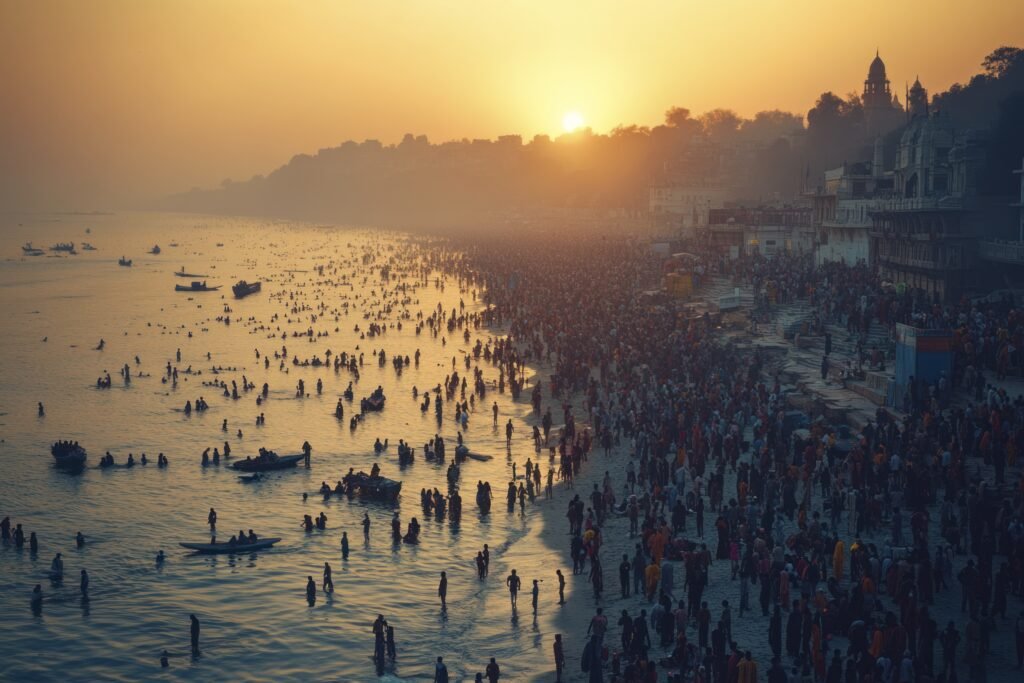
Protecting Destinations Isn’t The Traveller’s Responsibility Alone
For travellers, responsible tourism starts with the choices we make before and during a journey. From choosing closer-to-nature experiences to supporting local communities and travelling more mindfully, there are plenty of ways to make every trip more responsible.
But here’s the thing: travellers can only do so much. How destinations are planned, developed and managed matters just as much.
Here’s a quick checklist for travel operators and government agencies involved in developing tourism in ecologically sensitive areas:
- Know the baseline: Establish the destination’s ecological, social and infrastructure capacity before scaling tourism.
- Track where the money goes: Measure how much tourism revenue stays within the local economy.
- Build local ownership: Create opportunities for community-owned stays, guides, experiences and enterprises.
- Ring-fence reinvestment: Direct a defined share of tourism revenue towards infrastructure, conservation and local services.
- Measure resident benefit: Track local jobs, incomes, businesses and community satisfaction alongside visitor numbers.
- Scale responsibly: Increase promotion only when the destination can demonstrate that its systems can absorb the additional demand.
Perhaps The Most Important Souvenir Is The Place Itself!
Responsible travel isn’t just about the trip we take today, but the places we leave behind for tomorrow.
Twenty years from now, another generation will discover Ladakh, Spiti, Coorg, Goa, the Valley of Flowers or the Andaman Islands for the first time. Will they inherit the same landscapes that inspired us, or merely stories about what those places used to be?
Choose travel companies that make responsible tourism part of the journey, from community-led experiences with NotOnMap and rural tourism initiatives by Grassroutes Journeys to sustainability-focused travel experiences by The Blue Yonder. Supporting responsible operators helps keep tourism benefits closer to local communities while reducing pressure on the places we travel to.
Know more organisations making travel kinder to communities and the planet? Tag them below—and share this with someone planning their next trip.