Happy Communities Need Circular Living: The Waste Problem Brands Can’t Advertise Away
EPR is more than a compliance requirement. It asks brands to take responsibility for what happens after a product is sold — because a sustainable product isn’t just responsibly marketed; its materials need to stay useful, recoverable and in circulation long after the sale.
A company can spend ₹10 crore convincing you to buy its product. It can spend another few crores making the packaging look premium.
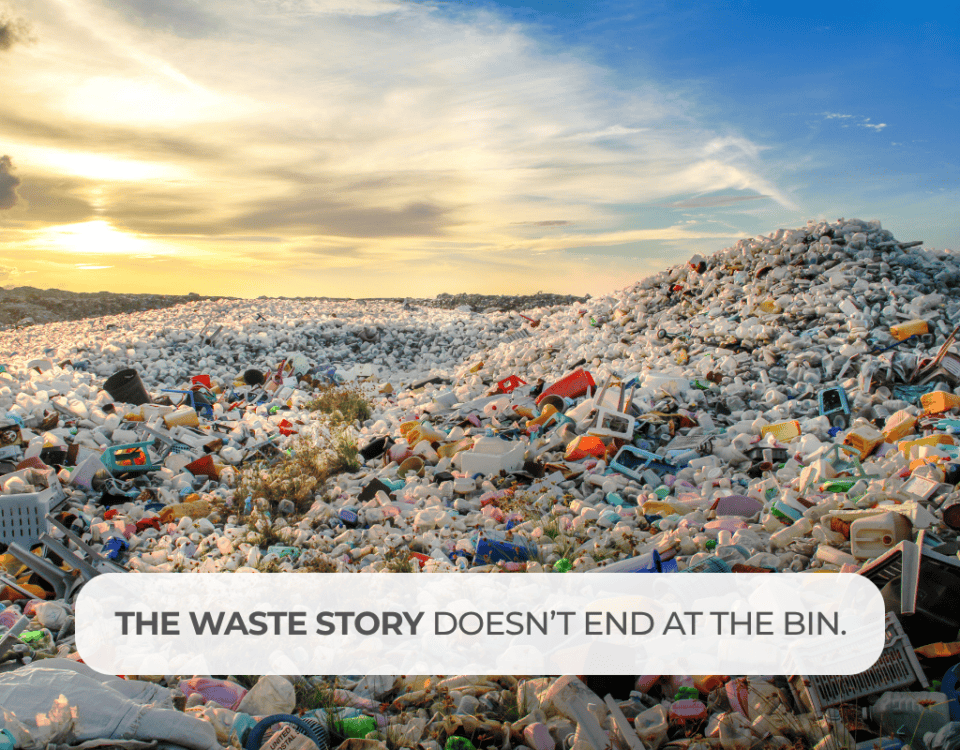
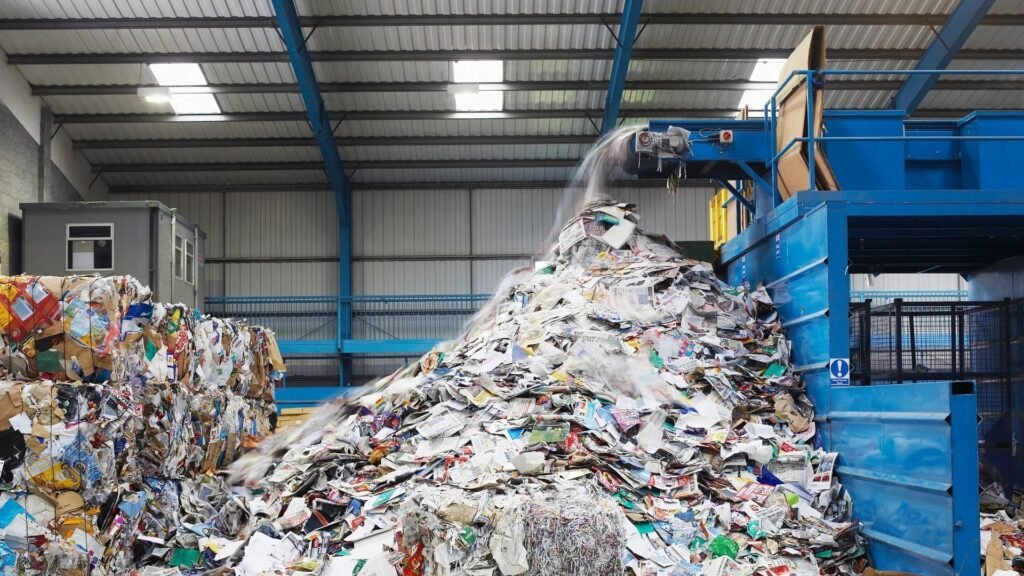
Then the product is used, the packaging is discarded, and suddenly the brand story ends where the waste story begins. Apparently, the “after” in a product’s lifecycle has been given very little screen time.
The real problem with waste is that the economy still runs on a one-way journey:
Extract > Make > Sell > Use > Discard
Circularity asks businesses to redesign that journey. Because “make it, sell it, forget it” may work for quarterly sales. It is a terrible long-term material strategy. And that is where Extended Producer Responsibility, or EPR, becomes much more than an environmental regulation.
The recent Climate Talks conversation puts waste management inside the larger climate conversation, where businesses, policymakers, communities and waste systems all have a role to play. Because if climate action is collective, waste cannot remain everyone’s problem and somehow no company’s responsibility.
And this is where EPR gets interesting.

EPR Is Where the Product Story Continues
The moment a brand puts packaging into the market, its responsibility should not end at the checkout counter.
India’s EPR framework for plastic packaging puts measurable obligations on Producers, Importers and Brand Owners, including targets for collection and recycling, recycled content and, for certain packaging categories, reuse.
Suddenly, the product has an afterlife. EPR is asking brands to account for it.
Instead of:
“How much did we sell?”
The circular question becomes:
“What happened to the material we used after we sold it?”
What serious EPR should measure:
- Packaging placed on the market
- Packaging actually recovered and recycled
- Recycled material returned into production
- Reusable packaging recovered and reused
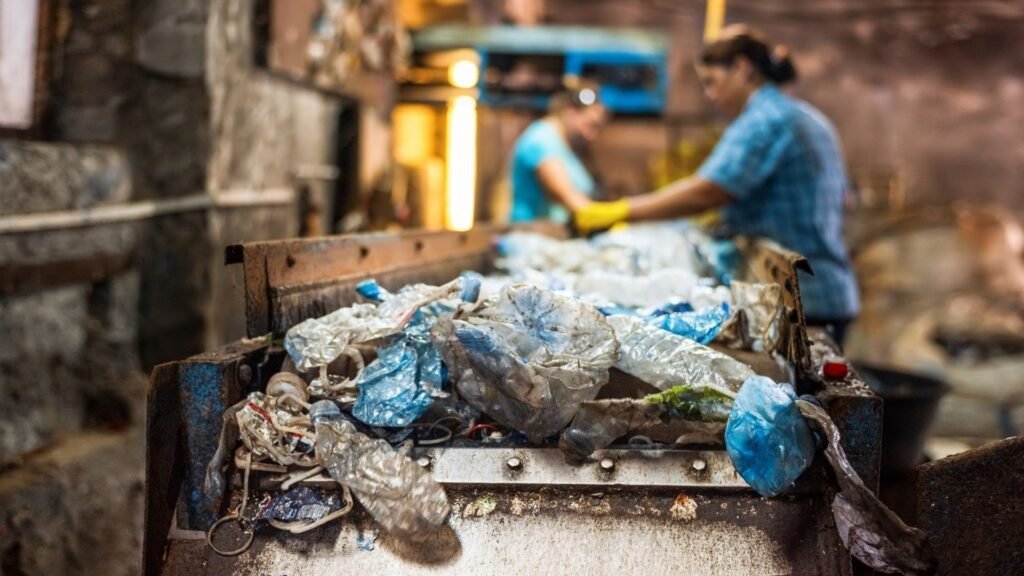
- Waste workers and recyclers integrated into the recovery chain
That is a very different dashboard from the annual sustainability report featuring three beach-clean-up photographs, one smiling team and no indication of where the collected waste went next.
The EPR Budget Should Meet the Marketing Budget
Companies spend heavily on creating demand, from advertising and influencers to packaging, retail visibility and customer retention.
Circularity requires investment in managing what that demand creates. The two budgets should probably meet, preferably before the next sustainability campaign is approved.
If a company puts 100 tonnes of packaged products into the market, its circularity strategy should know what happens to those 100 tonnes afterwards.
CPCB’s EPR framework already makes this measurable. For Category II and III plastic packaging, the minimum recycling requirement rises from 30% in 2024-25 to 60% from 2027-28 onwards.
Remember this:
EPR is not simply money spent on waste. It is money spent on keeping materials economically useful.
The Circular Economy Has Some Unusual Heroes
From Without® turning difficult plastic and textile waste into new materials, to ECOSTP treating sewage through nature-based systems with zero electricity and zero chemicals, and EcoKaari and reCharkha weaving discarded plastic into textiles, smaller Indian ventures are already proving that “waste” can be a surprisingly versatile raw material.
Somewhere between the garbage truck and landfill, “waste” is proving to be a rather misleading word.
CSR Can Fund the Photograph. Circularity Has to Change the System.
A CSR initiative can clean a lake. A circular business model asks what kept sending the rubbish there in the first place. Otherwise, we risk creating the sustainability equivalent of putting a decorative plant beside a leaking pipe.
EPR pushes that conversation upstream, into how products are designed, recovered and reported. That aligns with SDG 12: Responsible Consumption and Production, which calls for sustainable production, waste reduction, recycling, reuse and stronger corporate sustainability practices.
India’s Solid Waste Management Rules, 2026 reinforce the same direction by requiring source segregation into wet, dry, sanitary and special care waste.
The hierarchy is simple:
Reduce the material > redesign the material > enable reuse > enable recovery > recycle > responsibly manage what remains
The Most Interesting Part? Waste Is Becoming an Economy.
India’s organic waste offers a rather inconvenient fact for anyone still thinking of waste as a disposal problem.
CEEW estimates that better management of urban organic waste could unlock a USD 50.6 billion market by 2047, attract approximately USD 24.3 billion in investment and create around 2.6 million direct jobs under its accelerated policy scenario.
In other words, the thing we currently pay to move out of sight can become an input into another economy:
- Compost for agriculture
- Bio-CNG and biomethane and biomass for energy
- Organic manure for soil
- Secondary raw materials for manufacturing
- Employment across collection, processing and logistics
CEEW also estimates that India’s urban organic waste could reach around 208 million tonnes annually by 2047. Under its Accelerated Policy Scenario, better management could deliver 67.5 MtCO₂e in net-negative emissions by 2047.
That is not just a garbage problem. It is an infrastructure, investment and resource-security opportunity currently wearing a garbage bag.
So, Who Is Responsible?
Consumers matter. Governments matter. Municipalities matter. Waste workers and recyclers matter.
But the company that decides what material enters the market, how much of it enters, how it is packaged and whether it can be recovered is making some of the biggest decisions long before the bin appears.
That is the opportunity EPR presents.
The smartest brands will redesign packaging, build recovery systems, secure recycled material, work with recyclers and reduce virgin material dependence. Others will keep treating EPR as another compliance requirement to tick, file and forget.
Circularity is moving from “good for the planet” to “good business infrastructure.” Companies that understand where their materials go will be better prepared for a resource-constrained economy. Those that don’t may discover that their biggest competitive disadvantage is sitting inside their own garbage bin.
The future belongs to brands that know how to sell a product and keep its material in the loop for as long as possible.
The rest may discover that they have become dinosaurs: large, recognisable, resource-hungry and poorly adapted to the environment they helped create.