The Green Nobel Just Went to Six Women, and Grandma Has the Recipe
For the first time in 37 years, every winner is a woman. Here’s how they did it.
Somewhere inside an old cookbook, there’s a recipe card with a few stains on it and one torn corner. It doesn’t list flour or sugar. It lists what it takes to change the world, written by someone who never once believed “that’s just how things are.” Call her Grandma, or whatever you call the person in your family who always seems to know best.
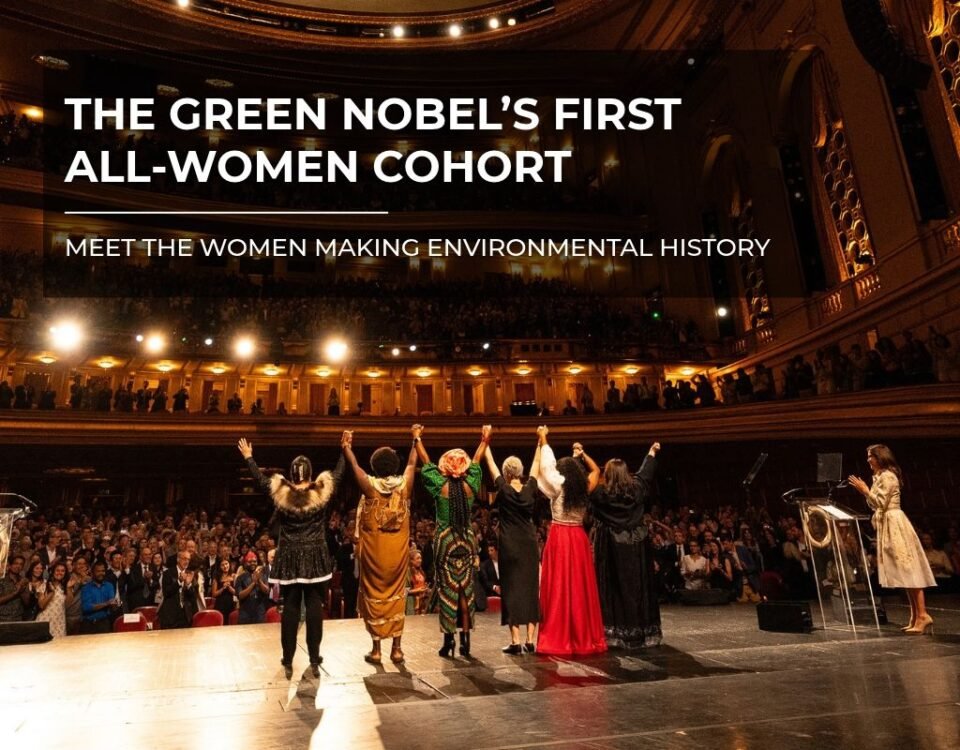
The Goldman Environmental Prize, often called the Green Nobel, has just announced its 2026 winners, and all six are women, a first in the prize’s history. They come from six different parts of the world, and none of them started out famous. They noticed something that didn’t feel right and couldn’t let it go, and that was enough to begin. So we asked Grandma to look at what they did, and she turned it into a recipe, with a blank space at the bottom for you.
What you’ll need: a place you love that’s in danger, a big spoonful of stubbornness, neighbours who are willing to say they care too, some paperwork nobody enjoys, and plenty of patience. Hope to garnish. Prep time is 37 years, which is exactly how long the prize waited. Yes, we know.
Step one: Notice what others walk past
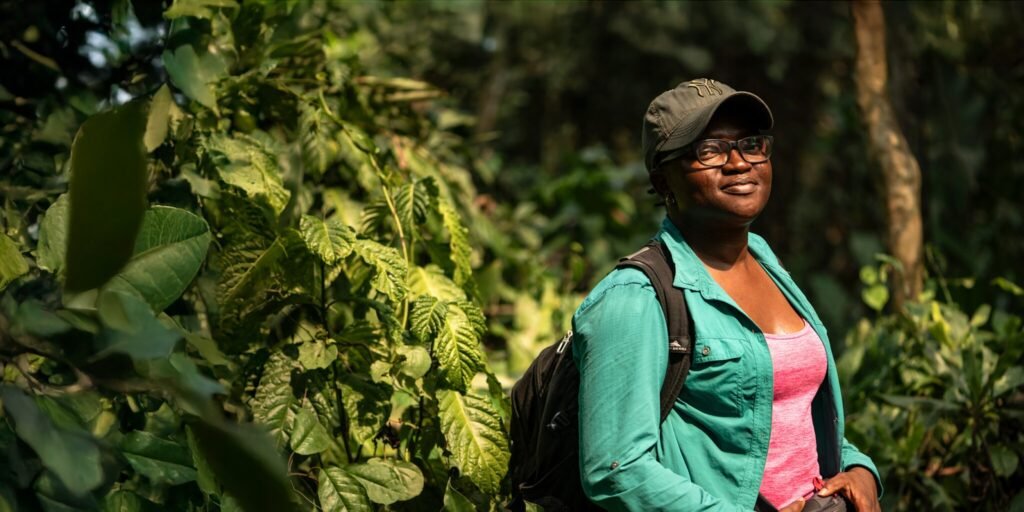
Iroro Tanshi, from Nigeria, rediscovered an endangered bat called the short-tailed roundleaf, and realised that fires started by people were its biggest threat. So she worked with her community to protect its home, the Afi Mountain Wildlife Sanctuary. Between early 2022 and May 2025, her community fire brigades patrolled thousands of farms and responded to more than 70 fire outbreaks, and no serious wildfire reached the sanctuary. Sometimes a whole fight starts with one small bat that nobody was looking at. Grandma’s note in the margin says, “Never underestimate the little ones.”
Step two: Take it personally
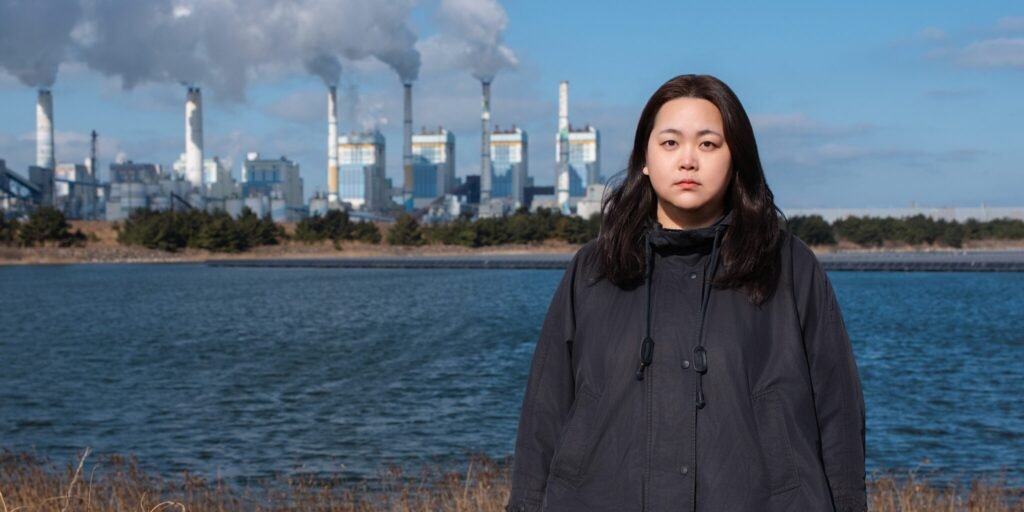
Borim Kim, from South Korea, and her group Youth 4 Climate Action won the first successful youth-led climate lawsuit in Asia. In August 2024, South Korea’s Constitutional Court ruled that the government’s climate policy violated the rights of future generations, and ordered legally binding emissions targets for 2031 to 2049. When the future is what you’re fighting for, who better to speak up than the people who’ll be living in it? Grandma’s note: “If it keeps you up at night, it’s yours to fix.”
Step three: Keep going when it takes years
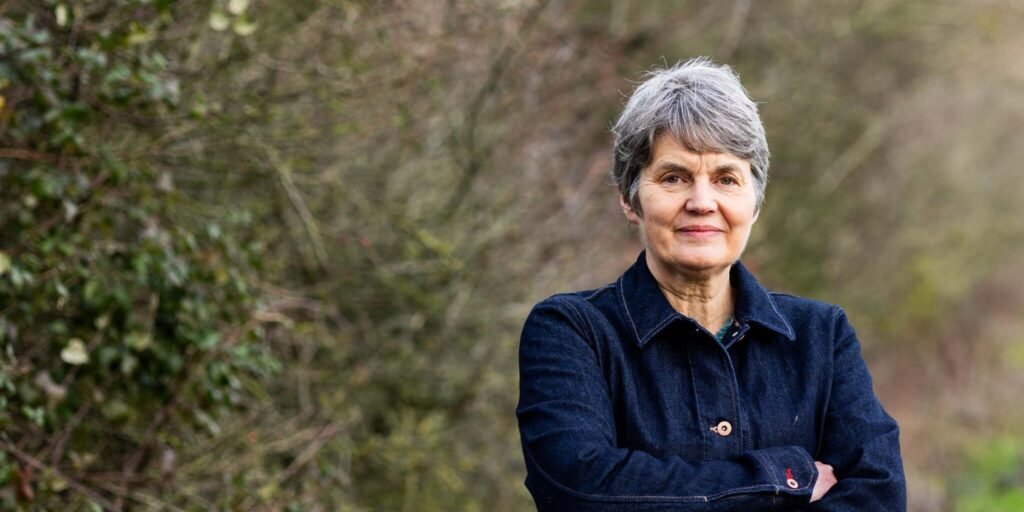
Sarah Finch, from the UK, and the Weald Action Group campaigned against oil drilling in southeastern England for over a decade, including five years of court battles over one oil development in Surrey. In June 2024, a Supreme Court ruling finally forced that site to shut down. The decision, known as the Finch ruling, says authorities must consider the climate impact of burning fossil fuels before they approve extracting them, and it has already helped stop other projects across the country. Five years of court is a lot of simmering. Grandma underlined this step twice.
Step four: Ask big companies to face what they left behind
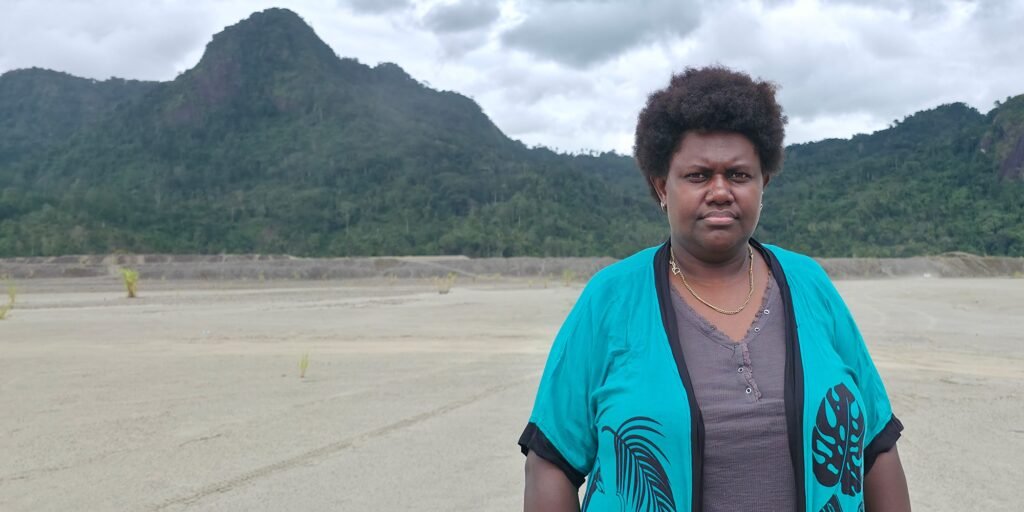
Theonila Roka Matbob, from Papua New Guinea, led a campaign that got Rio Tinto, the world’s second-largest mining company, to sign a landmark agreement in November 2024 about the damage caused by its Panguna mine. The company had abandoned the site 35 years earlier, but it has now formally acknowledged the harms and begun a joint clean-up process. Some messes are very old, and they still deserve to be cleaned up. Grandma’s note: “Ask anyway. Politely, but firmly.”
Step five: Bring everyone to the table
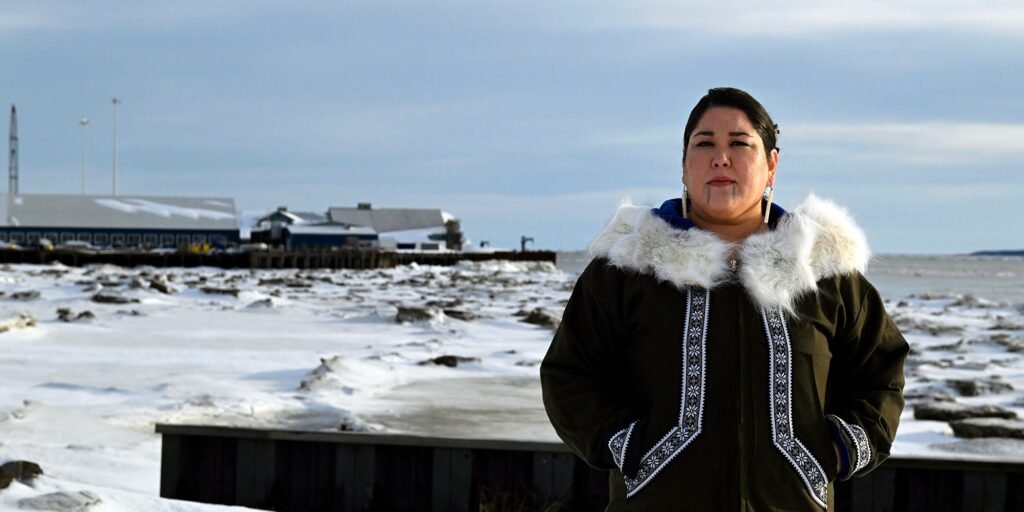
Alannah Acaq Hurley, a Yup’ik leader from the US, acted on behalf of 15 tribal nations to stop the proposed Pebble Mine in Alaska’s Bristol Bay region. As head of the United Tribes of Bristol Bay, she and a broad coalition won a historic EPA veto of the mine in January 2023, protecting a watershed of 25 million acres of wilderness, rivers and wetlands, with the largest wild salmon runs in the world. That’s a very big pot to stir, and nobody does it alone. Grandma’s note: “A good feast always has a long guest list.”
Step six: Keep stirring, even when it’s hard
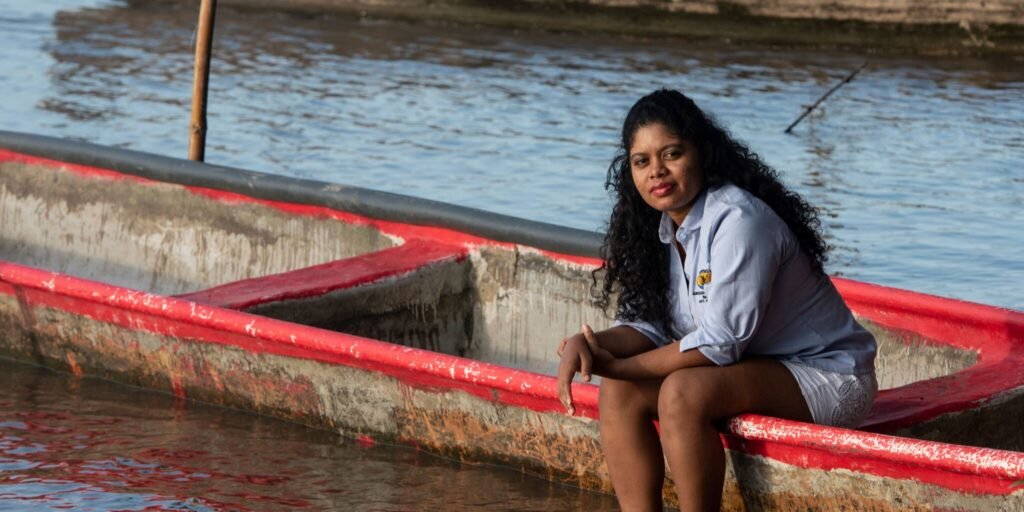
Yuvelis Morales Blanco, from Colombia, helped bring her community in Puerto Wilches together against two drilling projects, and helped stop commercial fracking from starting in Colombia. In 2022, the country’s largest oil company, Ecopetrol, suspended its contracts for the pilot fracking projects, and in August 2024 Colombia’s Constitutional Court confirmed the projects had violated the Afro-Colombian community’s right to free, prior and informed consent. Her community kept at it until someone had to listen. Grandma’s note: “Brave doesn’t mean not scared. It means you cook anyway.”
Now write your own recipe
The back of the card is blank, and that’s on purpose. Grandma never meant for this recipe to be kept in a drawer. She meant for it to be copied, changed and passed on, so grab a pen.
Start with the ingredients. What’s one thing near you that you’d hate to lose? A lake, a quiet street with trees, the park where you played as a kid, the beach you grew up on. Write it down. Then write one thing you’re good at, because everyone has something, whether that’s talking, organising, drawing, or just being the one who never gives up (or the one who’s good at bossing people around nicely, no judgement).
Then the method. Notice what’s changing around you and ask a neighbour if they’ve noticed it too. Find two or three people who care as much as you do. Do one small thing this week, like writing to your local officials, organising a clean-up, or starting a group activity. Keep doing it until it becomes a habit, and then maybe a movement.
Six women just showed that every big win starts with one person noticing something and refusing to look away. None of them started famous. The next name on this list could be a stranger, or it could be you.
And Grandma would want you to remember one last thing. Nobody gets the recipe right the first time, and that’s okay. Just keep the stove on.