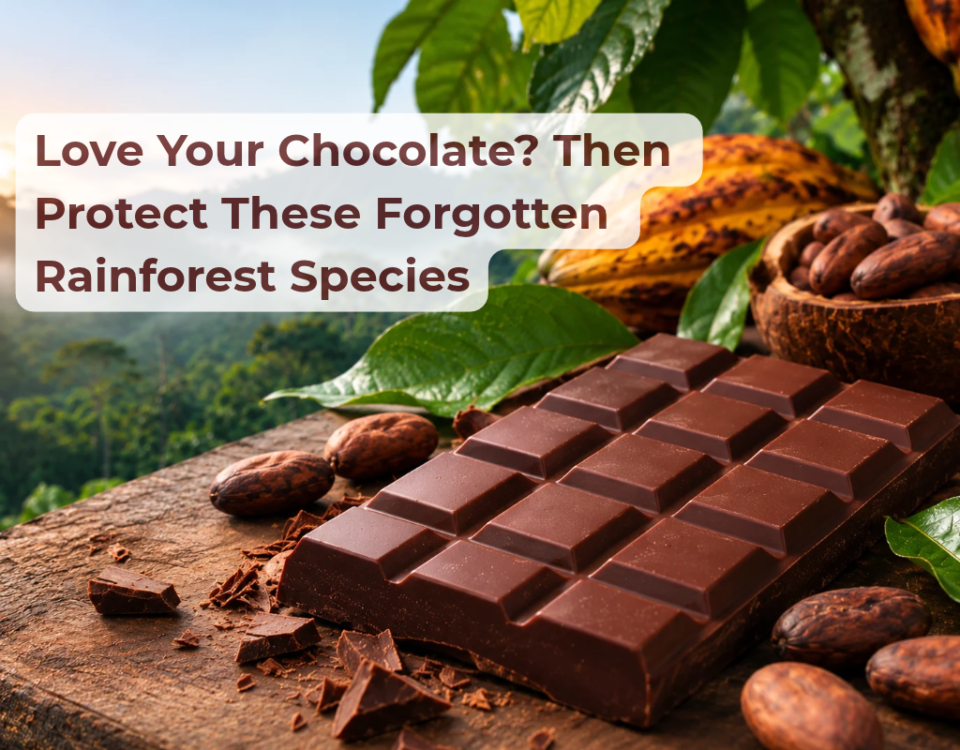
Love Your Chocolate? Then Protect These Forgotten Rainforest Species
Good news. We’ve finally found a way to preserve the rainforest. Bad news. It’s behind glass!
Chocolate is one of the world’s favourite indulgences, but the journey behind every cocoa bean has an environmental cost. The International Cocoa Organization estimates that around 4.63 million tonnes of cocoa beans were processed globally in 2024/25. Meanwhile, the World Resources Institute estimates that cocoa farms replaced approximately 2.3 million hectares of forest worldwide between 2001 and 2015.
Now imagine a future where the forests that once thrived in place of these cocoa farms exist only in photographs, their wildlife preserved as exhibits and their stories displayed behind glass. A museum dedicated to everything we failed to protect. So come along on a tour of this fictitious museum and explore the reality that could be— all thanks to your ubiquitous chocolate bar.
Welcome to the Museum of Extinct Rainforests
Location: Somewhere in 2126.
Walk through the first gallery and you’ll find a Cross River Gorilla, once roaming the forests along the Nigeria-Cameroon border, now reduced to a display behind glass. Nearby, the Grey-Necked Rockfowl has its nesting cliffs recreated, while Gamble’s Flatwing, a tiny dragonfly found around Nigeria’s Obudu Plateau, sits beneath a magnifying glass.
And then comes the rather awkward centrepiece: Gluema korupensis, a rainforest tree that can grow up to 42 metres tall, represented here by a towering illustration and a preserved leaf. Quite a downgrade for something that once reached the canopy. These aren’t random exhibits chosen for their novelty. Together, they represent what is at stake when forest ecosystems are cleared, fragmented or degraded to make room for agricultural expansion.
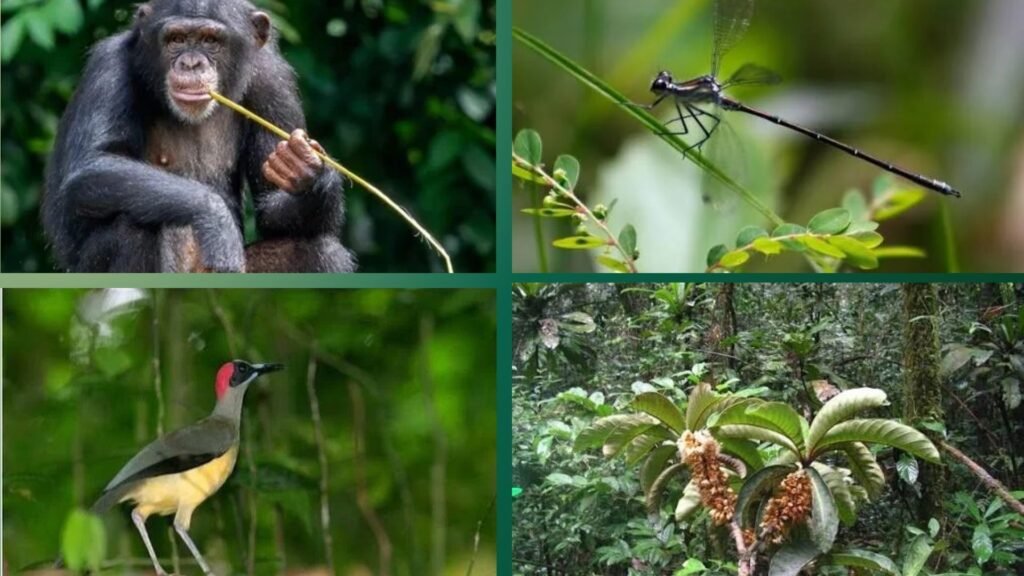
Different species, different habitats, yet all face the same looming threat: the gradual disappearance of the forests they call home.
The chocolate connection: a bitter aftertaste
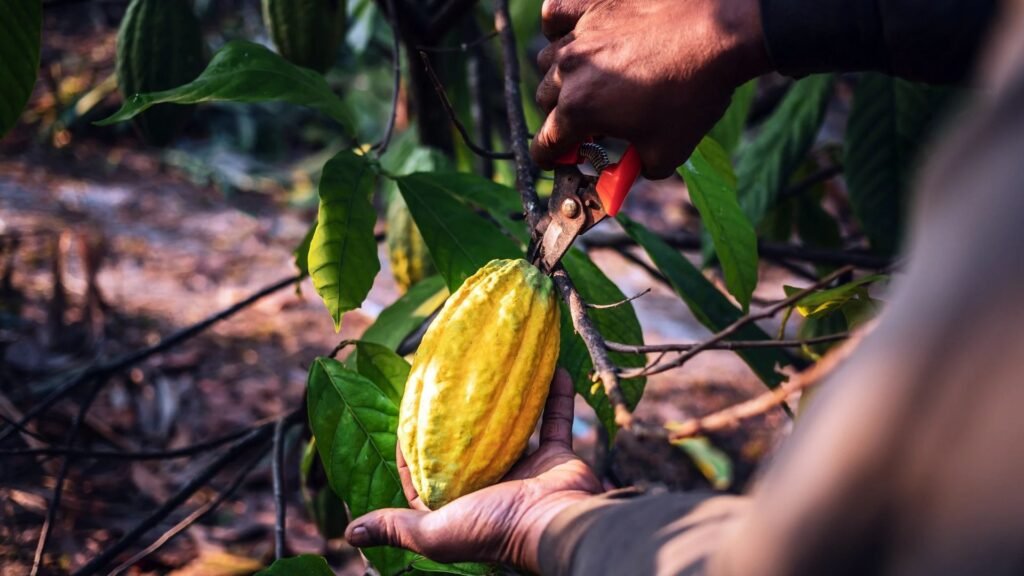
Côte d’Ivoire and Ghana produce around two-thirds of the world’s cocoa. The crop supports millions of farming households. Low yields, ageing plantations and inadequate incomes can push farms into new land.
When natural forest is cleared for cultivation, habitats shrink, wildlife corridors break apart and biodiversity suffers.
A 2023 study in Nature Food found cocoa cultivation was an underlying driver of over 37% of forest loss in protected areas in Côte d’Ivoire and over 13% in Ghana, between 2000 and 2020.
Protected forests have a rather important job. Cocoa expansion has been eating into it.
When forests stop making rain
Trees release moisture into the atmosphere through transpiration, helping sustain rainfall patterns. Forest loss can disrupt this natural water cycle.
A study in Nature found that at a scale of 200 kilometres, each percentage point of tropical forest loss was associated with a monthly rainfall reduction of 0.25 mm. The effects can reach neighbouring farms, communities and ecosystems.
Cocoa farmers are exposed to these shifts too. Changing rainfall, rising temperatures and declining soil health can affect yields and increase pressure on agricultural land.
So How Can We Preserve Rainforests IRL?
Thankfully, not everyone is waiting for the rainforest to make it to a museum. And our imagination might not actually become a reality thanks to them! Meet the people protecting it today.
- Boki Biodiversity Conservation Foundation, Nigeria works with communities on gorilla monitoring, habitat restoration, conservation education and wildlife protection.
- Conservation Association of the Mbe Mountains works with nine surrounding communities and the Wildlife Conservation Society on forest protection, local eco-guards and conservation of Cross River Gorilla habitat.
- Cocoa & Forests Initiative, Ghana brings together governments, cocoa companies and civil society organisations to reduce deforestation, restore forests and improve sustainable cocoa production and farmer livelihoods.
These efforts depend on local knowledge and participation. Farmers also need viable incomes and practical support to make forest-friendly production possible. And that’s exactly what calls for corporate intervention!
When chocolate companies step in
Cocoa buyers influence how it is grown and sourced. Their standards, supplier relationships and investments shape farming practices across landscapes.
On October 19, 2026, The Hershey Company and the Wildlife Conservation Society announced a four-year partnership in Nigeria’s Cross River State, backed by US$2.5 million from Hershey.
The initiative aims to advance deforestation-free cocoa, promote agroforestry, strengthen forest protection, improve supply-chain traceability and support farmer livelihoods.
The region contains Nigeria’s largest remaining rainforest and is a major cocoa-producing landscape. More than 100,000 households depend on cocoa farming there.
The commitment is significant. Its value will ultimately be measured through forest protection, transparent sourcing and benefits reaching farming communities.
A better story behind the bar
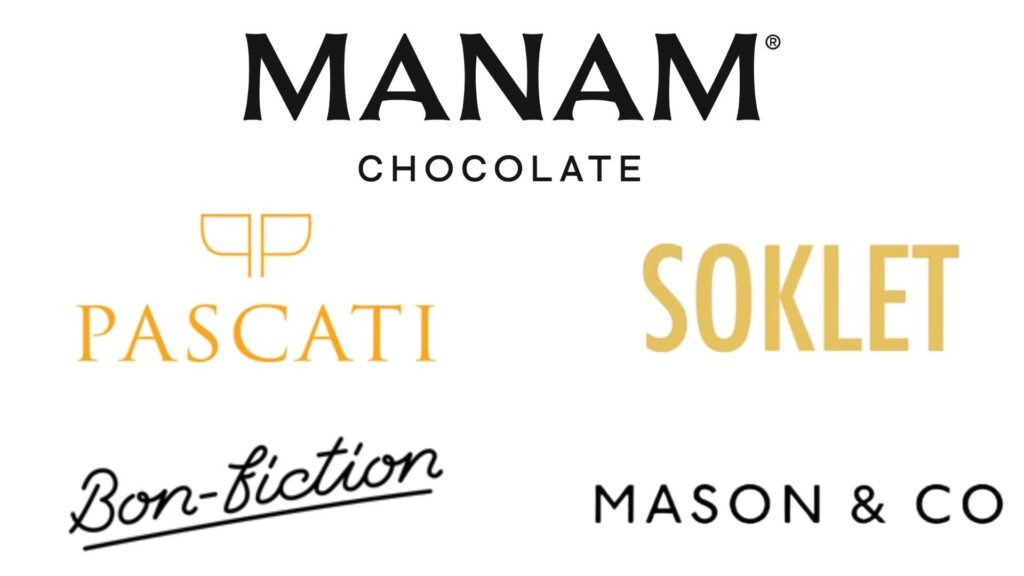
Indian bean-to-bar makers offer examples of closer sourcing relationships and more visible ingredient origins.
- Bon Fiction, Andhra Pradesh: Tree-to-bar production, local cacao sourcing and cacao husk composting.
- Mason & Co., Auroville: Works with organic cacao farmers and cooperatives across South India.
- Pascati, Maharashtra: Focuses on organic and Fairtrade-certified cacao sourcing.
- Soklet, Tamil Nadu: Estate-grown cacao, with control over the journey from farm to chocolate.
- Manam Chocolate, Hyderabad: Works with Indian cacao growers and highlights fermentation and post-harvest quality.
What does ethical cocoa sourcing actually look like?
A sustainable claim needs more than attractive packaging. Here’s what chocolate makers should be doing:
- Trace every bean: Map farms, cooperatives and sourcing regions.
- Keep forests standing: Verify deforestation-free sourcing and promote shade-grown cacao.
- Pay farmers fairly: Offer transparent premiums, timely payments and long-term contracts.
- Protect biodiversity: Support native trees, wildlife corridors and agroforestry.
- Ensure responsible labour: Monitor working conditions and prevent child and forced labour.
- Show your sourcing: Use QR codes and public reports to disclose origins, traceability and progress.
- Collaborate across the industry: Larger chocolate brands can partner with smaller bean-to-bar makers, farmer cooperatives and local processors to strengthen responsible sourcing, share expertise and create better market access for growers.
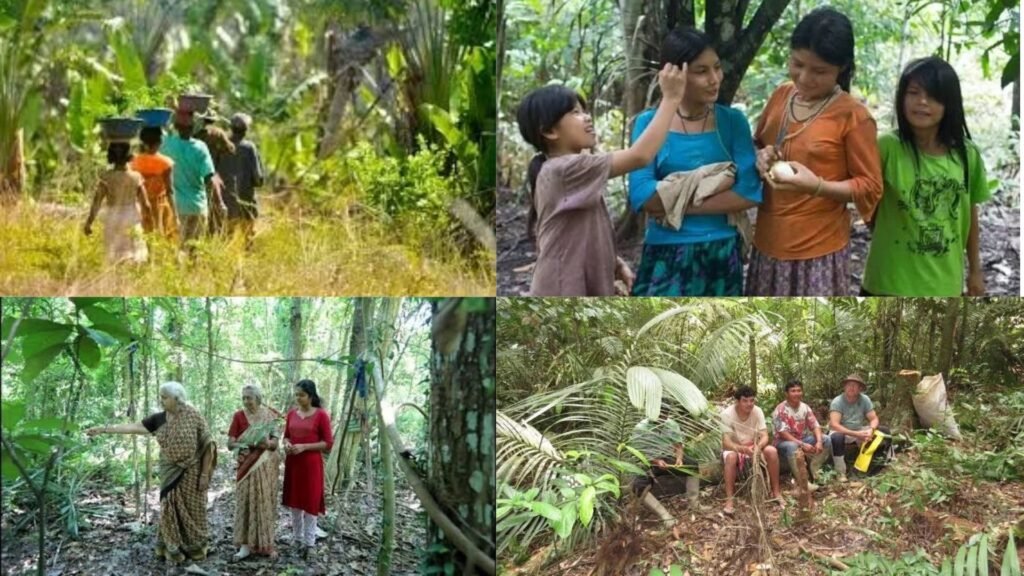
Because ethical chocolate should leave a good taste long after the last bite. And that starts with what happens long before the cocoa reaches the factory.
Make every bean accountable
Chocolate can remain one of life’s little pleasures, with production that accounts for the forests, farmers and biodiversity behind every bean.
Manufacturers can map cocoa to farm level, verify deforestation-free sourcing, invest in agroforestry and publish measurable progress. Smaller makers can disclose origins and build direct relationships with growers. Consumers can check sourcing claims, support transparent brands and ask companies to explain where their cocoa comes from.
There’s another opportunity for the bigger players in the chocolate industry: rethink how their supply chains are structured.
Instead of relying entirely on centralised manufacturing and long-distance distribution, larger brands can explore strategic partnerships with local chocolate makers and regional manufacturers. Outsourcing selected production activities, sourcing ingredients closer to the point of manufacture and selling within regional markets can create business opportunities for smaller producers, strengthen local economies and reduce the transport distances associated with extended supply chains. Done thoughtfully, local sourcing and manufacturing can make the chocolate business more inclusive while helping minimise its environmental footprint.
And ultimately, these decisions matter because the future of chocolate is tied to the future of the forests it comes from.
The Cross River Gorilla is still alive. The Nigeria-Cameroon Chimpanzee still moves through parts of its forest home. The rockfowl still nests, Gamble’s flatwing still exists, and Gluema korupensis still grows.
There is still time to keep them out of that imaginary museum.
The next chocolate bar can come with a better story. Let’s make sure it does.