
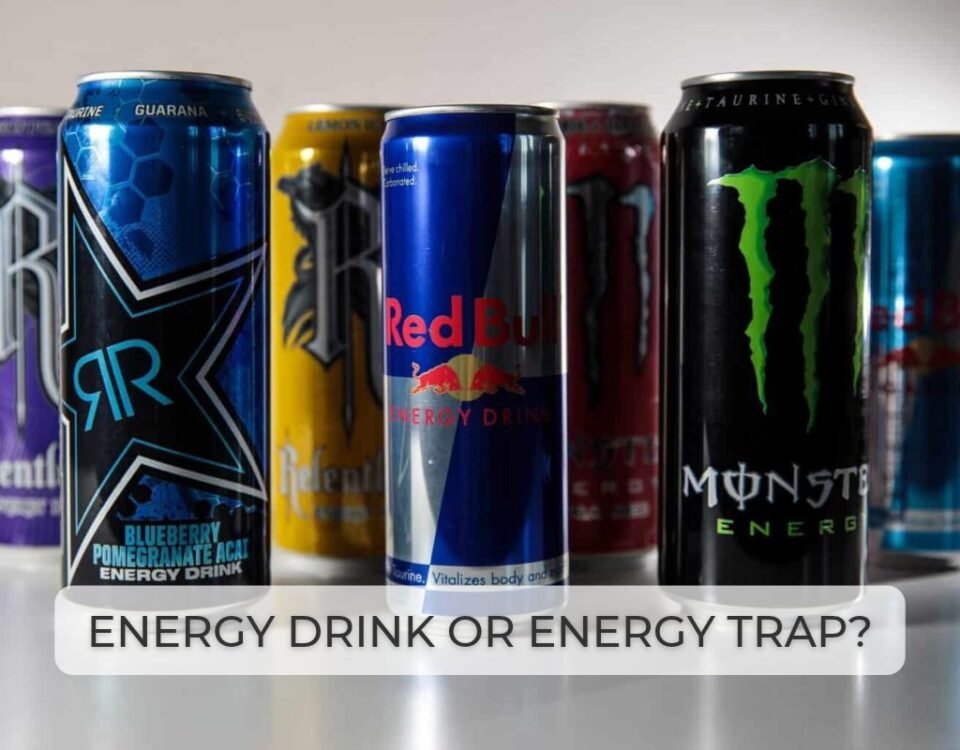
The ‘Energy Drink’ Label Debate: Better Health, Smarter Choices and Happier Wallets
A perspective on health, everyday habits and personal finances
I used to think my day couldn’t start without the sharp, satisfying crack of an aluminium can. Like millions of professionals, students and exhausted parents, I relied on these beverages to get through afternoon slumps, late-night work sessions and early mornings. They were more than a casual beverage choice; they had become my survival fuel, my mental armour and a seemingly indispensable part of my daily routine.
Recently, the debate around India’s food safety regulator directing companies to stop using the term “energy drink” on certain high-caffeine products has brought an important question into focus: Do these beverages really provide the kind of energy their name suggests?
The issue is not simply about what appears on a product label. It is about how consumers understand what they are drinking, the expectations created by marketing, and the choices they make about their health, lifestyle and spending. Looking beyond the terminology reveals an opportunity to rethink our dependence on these beverages and rediscover more sustainable ways to maintain energy throughout the day.
Rethinking Energy: What Does the Label Really Mean?
The word energy creates an appealing impression. It suggests vitality, enhanced performance and the ability to overcome fatigue. But there is an important distinction between the body’s nutritional energy and the temporary alertness produced by caffeine.
Caffeine is a stimulant that can temporarily improve alertness and reduce the perception of tiredness. It does not replace sleep, and it cannot compensate for inadequate nutrition or prolonged physical and mental exhaustion. Added sugar may provide calories, but that does not automatically make a beverage a healthy source of sustained energy.
This is why the debate surrounding the term “energy drink” matters. Clear and accurate labelling helps consumers understand what a product contains and make informed decisions rather than relying solely on its name or marketing promises.
The conversation also encourages us to look beyond the label and consider the possible consequences of frequent consumption, particularly when beverages contain high levels of caffeine and added sugar.
Reclaiming the Body: The Health Perspective
When regular consumption becomes a habit, it is easy to mistake a temporary stimulant-induced boost for genuine, lasting energy. Some consumers may experience a cycle of heightened alertness followed by fatigue, especially when caffeine disrupts sleep or is used to compensate for inadequate rest.
High caffeine intake can cause nervousness, anxiety, palpitations, raised blood pressure and sleep disturbances in susceptible individuals. The effects depend on the amount consumed, individual sensitivity, existing health conditions and the use of other sources of caffeine.
Sleep is particularly important. Consuming caffeine late in the day can make it harder to fall asleep and may reduce sleep quality. This can create a frustrating cycle: poor sleep leads to daytime fatigue, daytime fatigue encourages greater caffeine consumption, and the additional caffeine interferes with the next night’s rest.
Sugar content is another important consideration. Frequent consumption of sugar-sweetened beverages can increase overall calorie intake and contribute to weight gain and a higher risk of type 2 diabetes over time. Their acidity and sugar content can also contribute to dental erosion and tooth decay.
However, it is important to understand that stopping these beverages does not automatically reverse every health risk. The benefits depend on what replaces them and the person’s overall lifestyle. Reducing excessive caffeine and added sugar, improving sleep and choosing balanced meals can all contribute to better long-term health.
Transforming Everyday Habits: From Dependence to Sustainable Energy
The debate over the terminology of high-caffeine beverages offers us an opportunity to examine our everyday habits. How often do we reach for a can because we genuinely enjoy it, and how often do we use it to push through exhaustion?
For some people, excessive caffeine can contribute to jitteriness, anxiety, restlessness and irritability. When its effects wear off, fatigue may become more noticeable, particularly if the underlying causes—such as inadequate sleep, skipped meals or stress—remain unaddressed.
A healthier approach begins with listening to the body’s needs rather than repeatedly masking tiredness with stimulants.

First, prioritise hydration. Water should be the main beverage for everyday hydration. Unsweetened herbal drinks can also be an option, depending on individual preferences and needs.
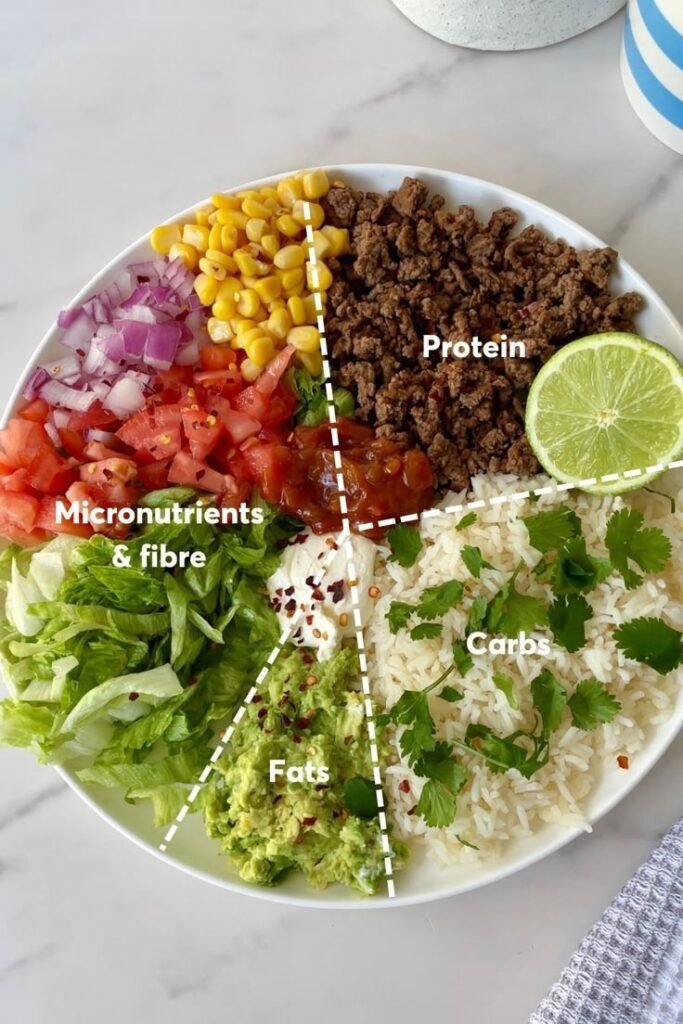
Second, build balanced meals. Regular meals containing appropriate portions of whole grains, pulses, vegetables, fruits and protein-rich foods can help support nutritional adequacy and steady energy throughout the day.

Third, use movement as a natural reset. A brisk ten-minute walk, stretching or a short movement break can help refresh the mind during an afternoon slump.
Finally, respect the need for rest. Persistent fatigue is not always a lack of motivation. It may indicate insufficient sleep, excessive workload, nutritional inadequacy or an underlying health issue. When fatigue continues, it is worth investigating the cause instead of relying on stimulants.
The objective is not to label every caffeinated beverage as harmful. Rather, it is to encourage moderation, awareness and informed choices. Caffeine affects people differently, and its consumption should be considered in the context of total daily intake, individual sensitivity and medical circumstances.

Happier Wallets: The Financial Cost of a Daily Habit
Health is only one part of this discussion. The financial impact of frequent beverage consumption is equally worth considering.
Buying one or two premium cans every day may seem like a small expense, but recurring purchases add up. For example, if a person spends ₹150–₹300 daily on these beverages, the potential savings from eliminating that expense would be:
- Monthly: ₹4,500–₹9,000
- Annually: ₹54,750–₹1,09,500
These figures are illustrative and assume that the same amount is spent every day. Actual savings will depend on the brand, quantity and frequency of consumption.
Imagine redirecting that money towards a fitness programme, a family holiday, preventive healthcare or long-term savings. Even a partial reduction in unnecessary spending can make a meaningful difference over time.
There may also be indirect financial benefits from healthier habits, including reduced spending associated with preventable dental problems or health complications. However, these savings are not guaranteed and depend on an individual’s circumstances.
The larger lesson is simple: mindful consumption is not only about making healthier choices; it is also about understanding where our money goes and whether our daily purchases genuinely serve our needs.
Moving Towards a More Informed Future
The discussion around the term “energy drink” is actually about more than branding. It raises questions about consumer understanding, responsible marketing, food safety and the expectations created by product names.
Clear labelling can help people distinguish between nutritional energy and the temporary stimulant effects of caffeine. At the same time, regulation alone cannot replace personal awareness and responsible consumption.
As consumers, we can use this moment to ask better questions: How much caffeine does a beverage contain? How much added sugar am I consuming? Am I using it occasionally for enjoyment, or relying on it every day to compensate for exhaustion?
The answer does not have to be an extreme one. Small, consistent changes—better sleep, balanced nutrition, regular movement, adequate hydration and sensible caffeine consumption—can help create a healthier and more sustainable lifestyle.
Perhaps the most valuable outcome of this debate will not be a change in the words printed on a can, but a change in how we understand energy itself. Lasting vitality does not come from a label or a marketing promise. It is built through everyday choices that support our health, well-being and financial security.
About the Author

Dr. Pooja Parab, BHMS, SCPH
Homoeopathic Doctor & Clinical Dietitian
Dr. Pooja Parab is a Homoeopathic Doctor and Clinical Dietitian with over 18 years of clinical experience in nutrition, lifestyle management and metabolic health. She is passionate about helping individuals make informed, practical and sustainable choices for better health. Her areas of interest include weight management, diabetes prevention, women’s nutrition, hormonal health and lifestyle-related conditions. Through her clinical practice and wellness initiatives, she advocates a balanced, evidence-informed approach to nutrition and holistic well-being.