5 Innovative Green Building Features That Will Lower Maintenance Bills
When you buy a home, you think about the price, the location and the size of the rooms. Very few people think about the electricity and water bills they will pay for the next twenty years. Those costs are not decided by you. They are decided by the developer, long before you move in, in the choices made about glass, plumbing, waste and power. A building that is designed carefully uses less of everything. A building that is not will keep asking you for money every month.
Here are five features worth looking for in an under-construction project.
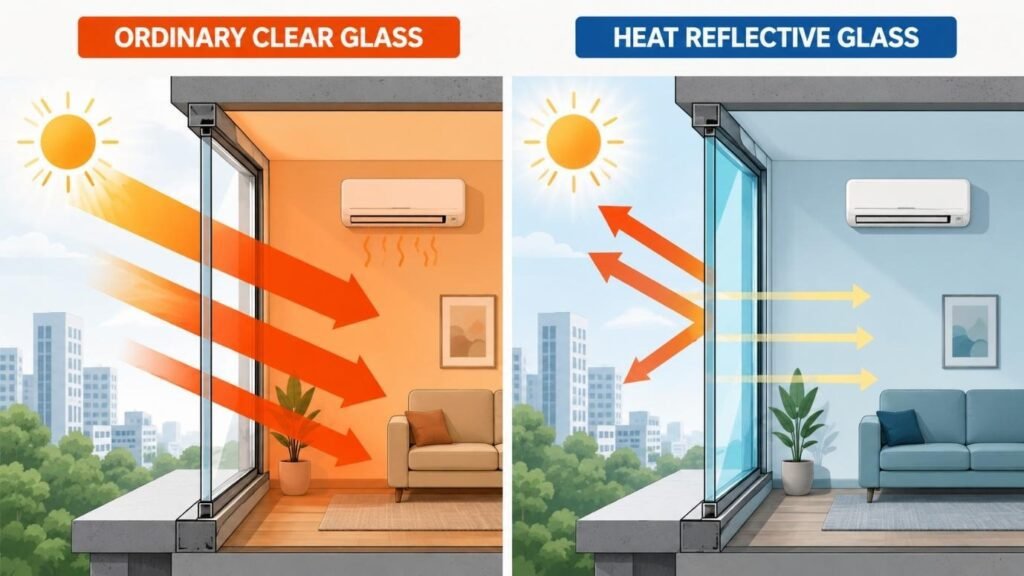
1. Windows and Walls that Keep the Heat Out
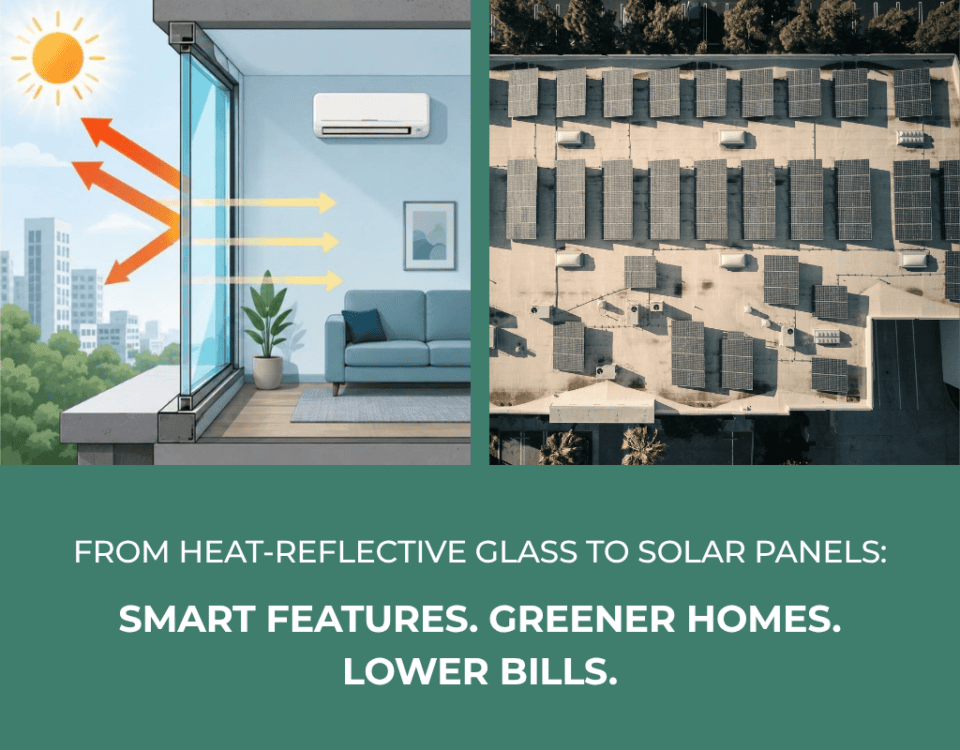
Summers today are getting longer and hotter. In an ordinary apartment, sunlight passes easily through the window glass and warms the room, making the air conditioner work harder to cool it down. Green buildings use heat-reducing glass, insulated walls, and heat-reflecting tiles on roofs, which help reduce the amount of heat entering the home. As a result, rooms stay cooler naturally, and the air conditioner runs for shorter periods. Top-floor apartments, which usually get the hottest, become far more comfortable.
2. Solar PV Panels on the Roof
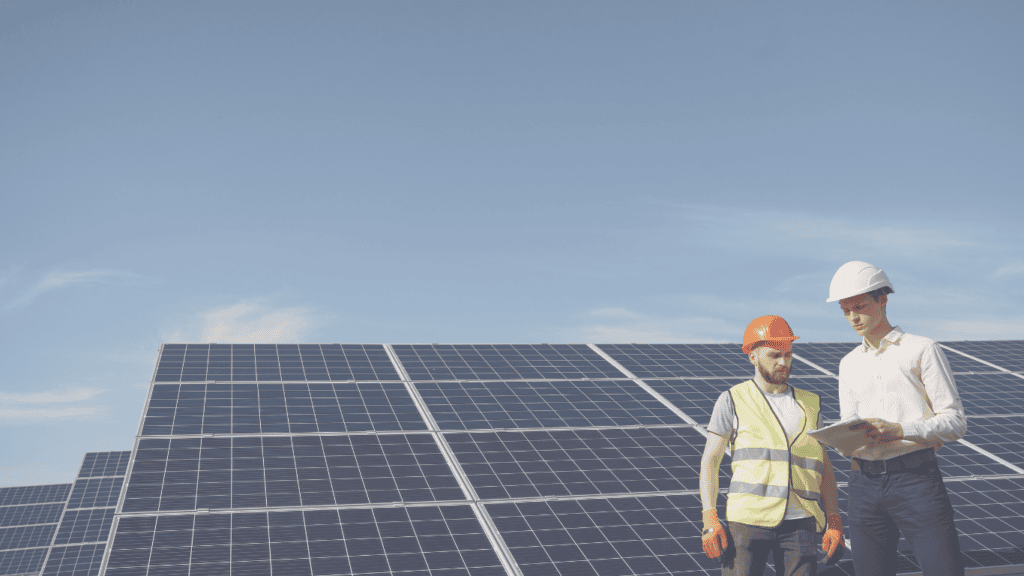
Every housing society pays a large electricity bill for its common areas – corridors, lobbies, parking lights, lifts and water pumps. This runs day and night, and the cost is shared by every homeowner. Solar PV panels on the terrace can generate most of the electricity these common areas need. The panels work for twenty-five years or more with very little maintenance. For residents, this means a smaller common electricity bill every single month, and protection from future increases in power tariffs.
3. Solar Water Heating
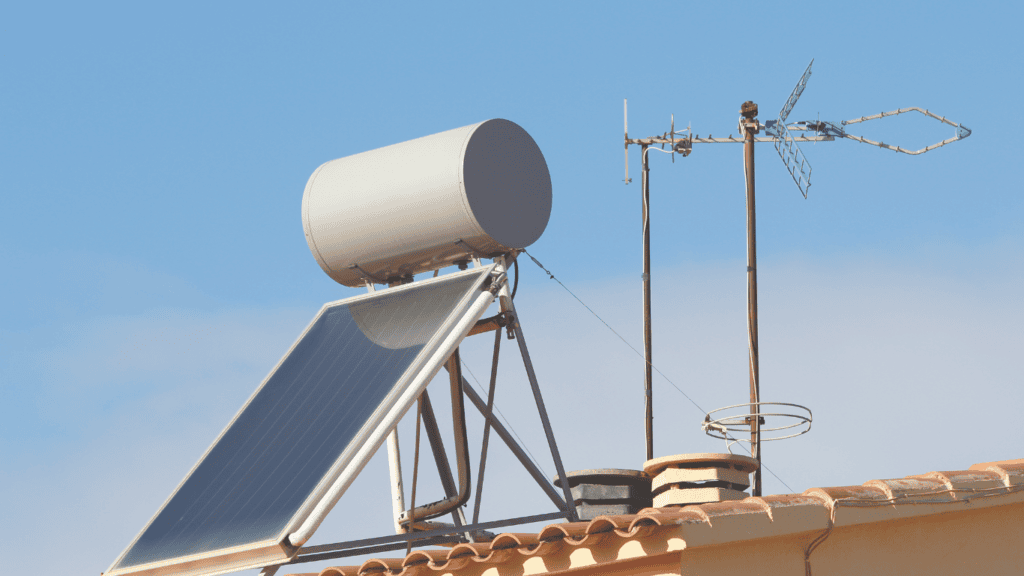
An electric geyser is one of the biggest consumers of power in an Indian home. It is used every morning by every member of the family. A solar water heating system uses sunlight to heat water and stores it in an insulated tank. Residents get hot water for their morning bath without using electricity. The only small adjustment is to use this water before or around 10 AM, while the stored water is still hot.
4. Water Saving and Water Recycling
Many cities in India now depend on tankers and borewells because the municipal supply is not enough. Tanker water is expensive, and during summer it becomes both costlier and harder to get. Green buildings reduce water use in two ways
- Water-efficient taps, showers and flushes can cut consumption by around 40 per cent, without the water pressure feeling weak.
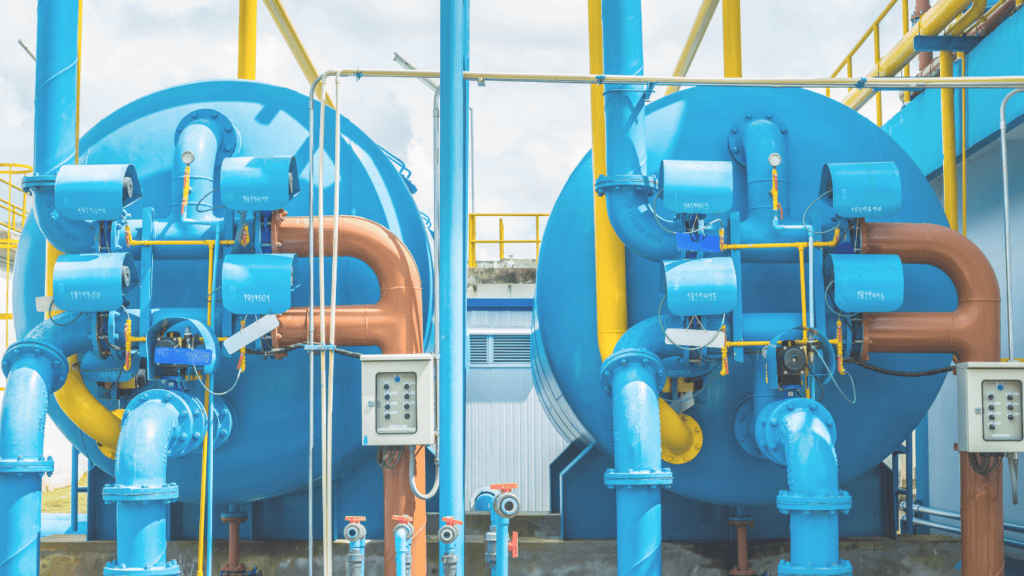
- A sewage treatment plant then treats the used water so it can be reused for flushing toilets and watering the gardens.
Together, these reduce the society’s dependence on tankers considerably. Treated water is also better for plants, as it contains nutrients that help the landscaping stay green.
5. On-site Treatment of Wet Waste
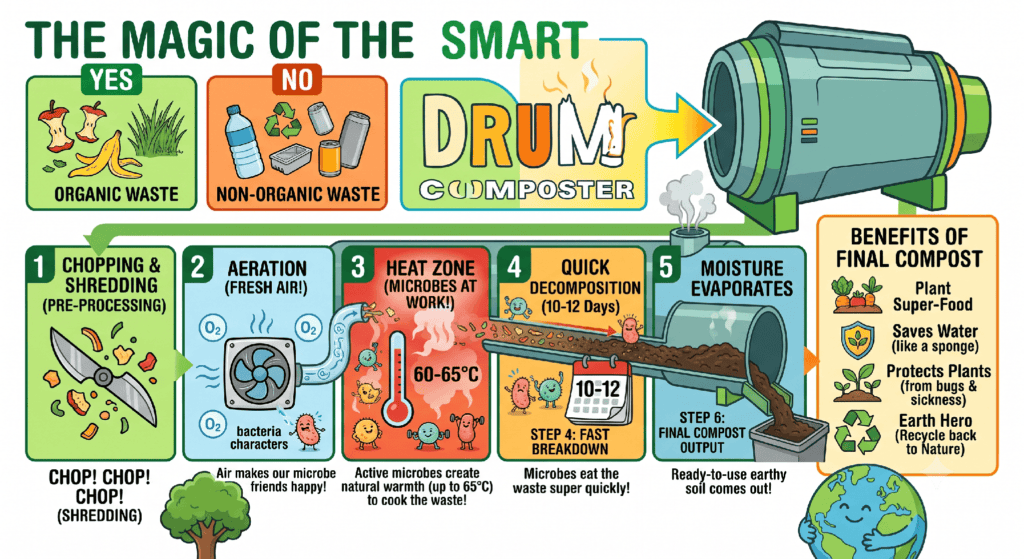
Kitchen waste from a large society adds up to a few hundred kilos every day. Usually it is collected in one corner and waits for a municipal truck. An organic waste converter processes this waste within the premises and turns it into manure, which is then used in the society’s own gardens. The waste area stays clean and odour-free, garden expenses come down, and a large quantity of waste is kept out of landfills every year.
Check out Green Thumb’s machine for an efficient, on-site solution to managing organic waste in housing societies.
Ask before you book
Most of these features cannot be added easily after a building is complete. They have to be planned during construction. So before booking a home, ask the developer which of these systems are included, and ask whether the project is certified by a recognised green building rating agency like IGBC or LEED. A developer who has invested in these systems will be happy to explain them. The answers will tell you a great deal about the bills you will be paying for years to come.
Ready to make a greener, smarter choice? Before you book your next home, explore the building’s green features and ask the right questions. A little research today can mean lower bills, greater comfort, and a more sustainable home for years to come.
About the Author

Rahul Ajmera is a third-generation real estate developer at Vasupujya Corporation, a Pune firm that has delivered over 1,200 homes in four decades. A civil engineering graduate of IIT Bombay, he founded AREA Foresight, a real estate data analytics firm, and myhomeinpune.com, an advertisement-free property search platform for homebuyers. He was recognised by Times Power Brands 2025 and writes and speaks regularly on Pune’s housing market. His current project, Neco Park Central in Kharadi, is IGBC Platinum pre-certified. You can reach out to him at www.rahulajmera.com