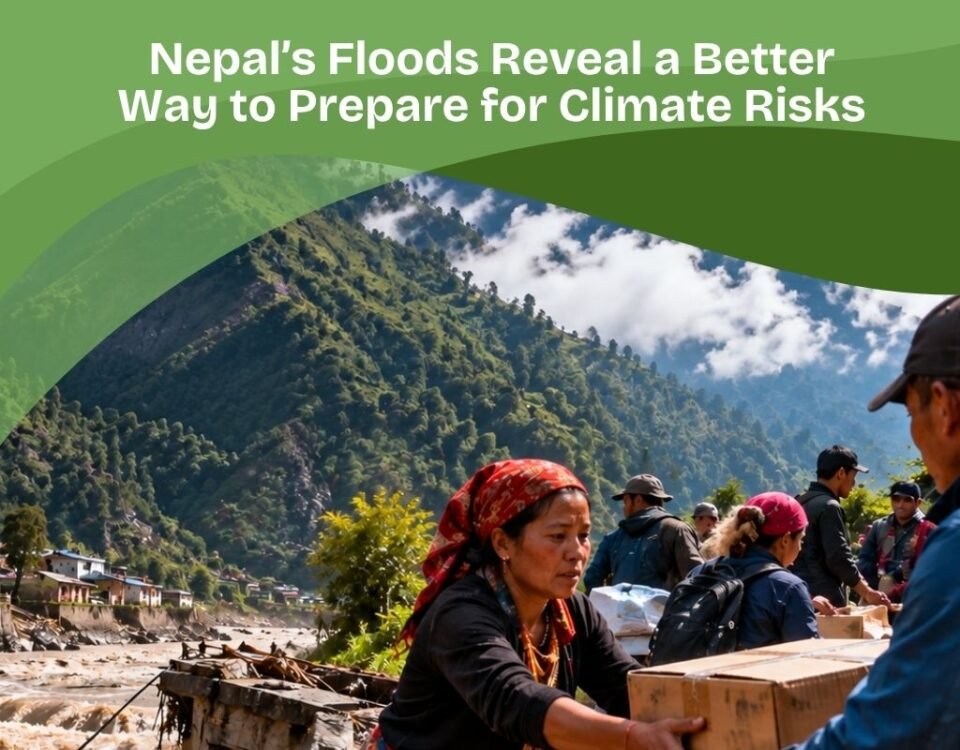
Nepal’s Floods Reveal a Better Way to Prepare for Climate Risks
The world is very good at announcing climate commitments. There are pledges, targets, summits and sustainability reports with enough glossy photographs to make saving the planet look like a branding exercise. Let’s unpack who bears the financial burden when climate disasters strike.
The UN Environment Programme estimates that developing countries will need US$310–365 billion annually by 2035 for climate adaptation. International public adaptation finance stood at just US$26 billion in 2023, leaving a funding gap roughly 12–14 times current flows. It means communities face floods without resilient infrastructure, businesses struggle to recover, and families are left rebuilding with whatever resources they have.
Nepal’s October 2026 floods offer a sobering example of what happens when vulnerability meets inadequate resilience.
The Flood That Took More Than Homes
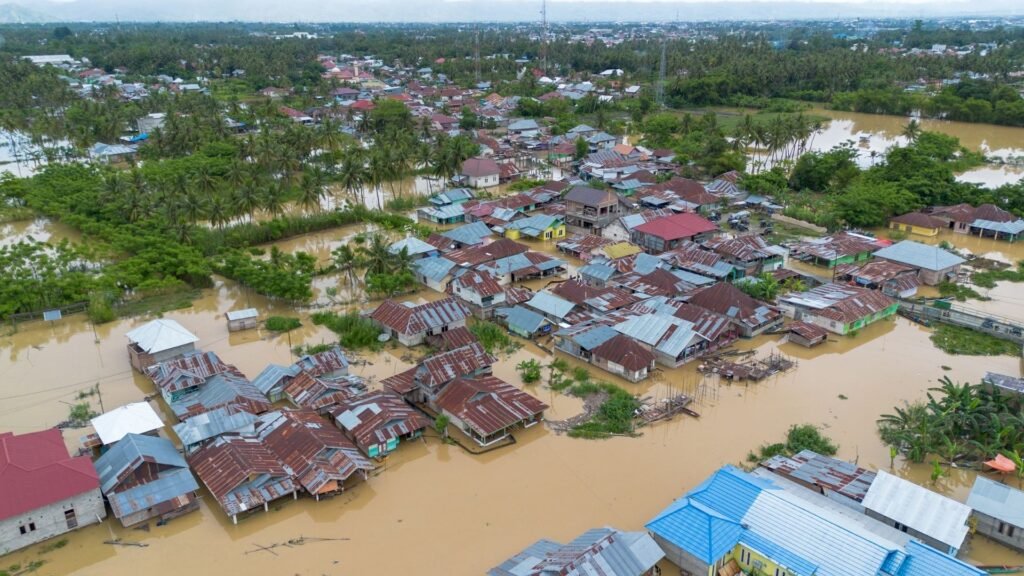
On October 11, the Budhi Gandaki River in Nepal’s Gorkha district turned destructive after a landslide reportedly blocked a river channel. When the blockage gave way, floodwaters swept through settlements, damaging homes, bridges and hydropower infrastructure.
At least 45 houses were destroyed, another 27 partially damaged, and five people reported missing, according to preliminary assessments.
For residents, this meant lost homes, livestock, electricity and access to essential supplies. The flood did not need weeks to disrupt lives. A few hours were enough.
While the landslide-induced blockage triggered the flood, climate change can intensify the conditions that make such disasters more destructive. Rising temperatures can increase the intensity of extreme rainfall, while changing precipitation patterns can heighten flood risks in vulnerable mountain regions. Communities already exposed to natural hazards need stronger preparedness, resilient infrastructure and better early-warning systems to withstand these growing risks.
The Climate Inequality Behind the Disaster
Nepal contributes very little to global emissions, yet its mountainous terrain and fragile ecosystems leave communities exposed to floods, landslides and glacier-related hazards. Apparently, the climate crisis has some rather questionable billing practices.
In 2024, Nepal accounted for approximately 0.05% of global carbon dioxide emissions from fossil fuels and industry. But in the same year, floods and landslides killed hundreds and displaced thousands of families. World Weather Attribution researchers found that human-induced climate change made the extreme rainfall approximately 10% more intense and 70% more likely.
Climate change does not explain every flood. Geography, land use, infrastructure and immediate triggers matter too. But the climate crisis adds pressure to vulnerable landscapes, while communities with limited resources have fewer options when disaster strikes.
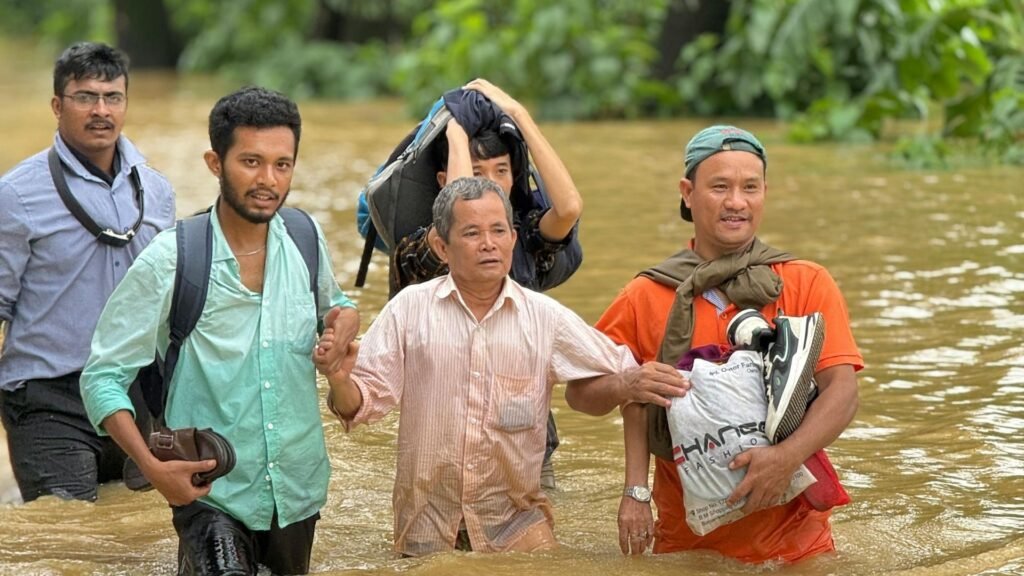
When Recovery Becomes Another Struggle
Imagine losing your home and then discovering that the bridge connecting you to food, healthcare and the nearest market has disappeared too. Recovery becomes a logistical nightmare, minus the customer support number.
The October floods damaged trails and bridges in the Manaslu region, leaving more than 100 trekkers reportedly stranded. The destruction of the Sirdibas Uhiya micro-hydropower project also disrupted electricity for 971 households.
For families dependent on farming, herding, tourism and small businesses, damaged infrastructure means lost income.
A farmer loses access to markets.
A trekking operator loses bookings.
A household with limited savings must somehow pay for repairs and replace lost assets.
For larger businesses, disruption may mean an insurance claim. For a family without savings or affordable credit, it can mean starting over.
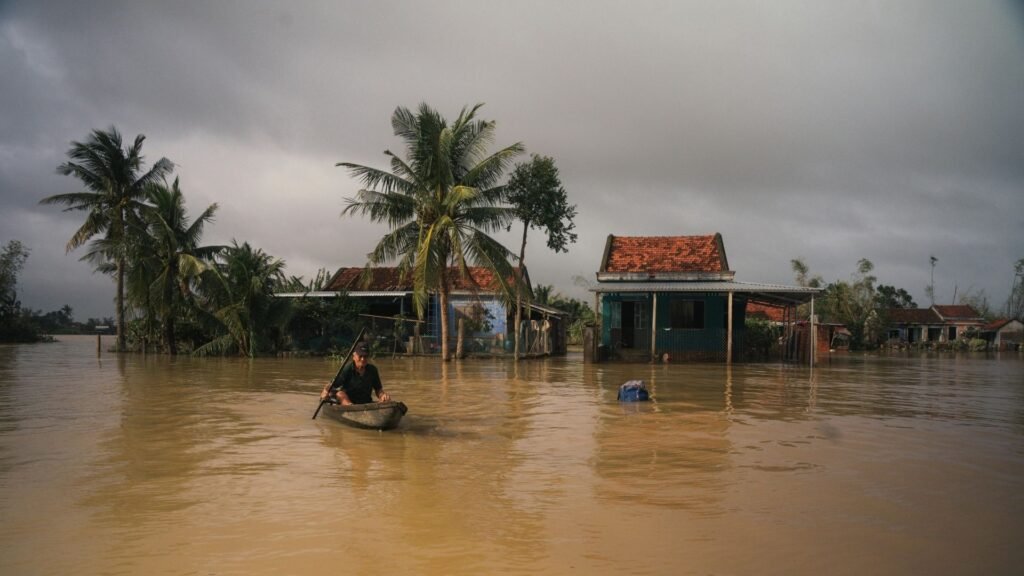
The Communities and Organisations Doing the Work
While global institutions debate finance, smaller organisations are already helping affected communities.
- Asal Chhimekee Nepal (ACN) provided emergency assistance across Gorkha and Dhading, including essential supplies for affected households, pregnant women, new mothers and infants.
- Sambhav Nepal and Ace the Himalaya supported flood-affected households in Aarughat Rural Municipality with food, shelter materials and essential supplies.
- National Indigenous Women’s Federation works to strengthen Indigenous women’s knowledge of climate adaptation and community-based disaster risk reduction.
Their work matters, but emergency relief cannot replace sustained investment in preparedness, infrastructure and recovery. Communities should not have to rely on goodwill alone to survive the next disaster.
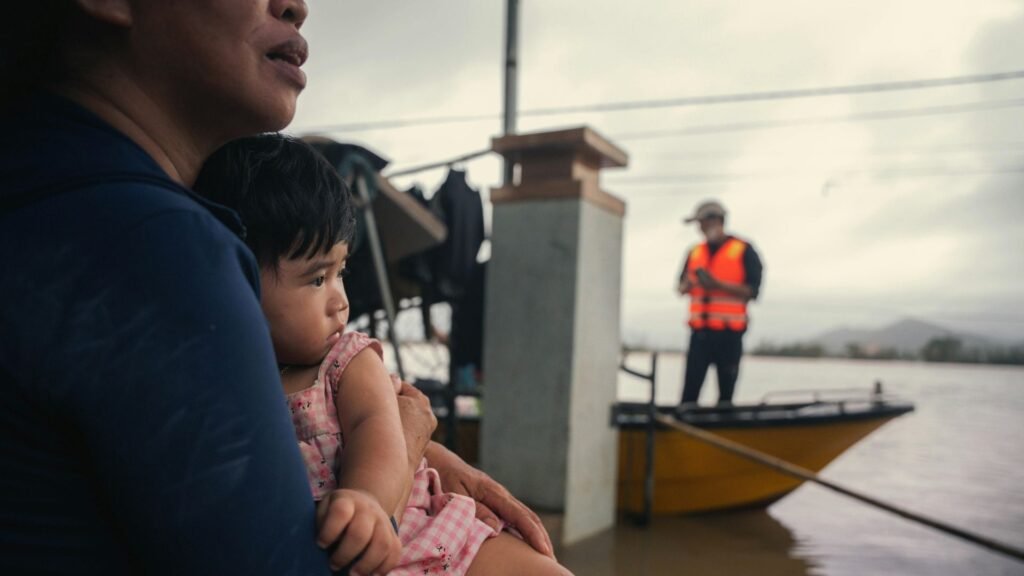
Climate Justice Beyond the Headlines
Climate resilience means early-warning systems that reach people in time, bridges that withstand extreme conditions, accessible recovery funding and infrastructure designed around local realities.
International climate finance must reach vulnerable communities at the scale and speed required. Businesses must move beyond announcements towards practical support, and governments must ensure adaptation funding reaches those who need it most.
Climate action cannot end with awareness. It has to begin with accountability.
Communities need the resources to prepare, businesses need to rethink how they manage climate risks, and governments need to turn climate commitments into tangible action.
Whether you’re a business investing in resilience or a community working to protect its future, the next step matters. Demand better preparedness, support locally led solutions and turn climate commitments into action before the next flood makes the decision for you.