
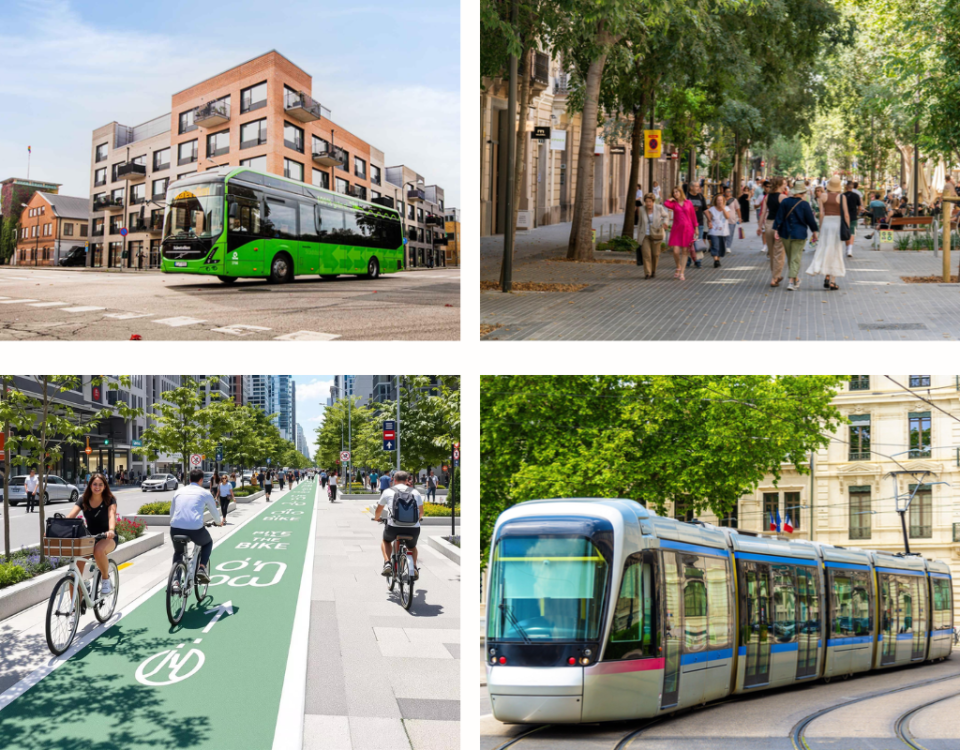
A Better Way to Move: 7 Ideas Transforming Our Everyday Journeys
The morning commute might not be everyone’s favourite part of the day: traffic that refuses to move, the potholes that appear out of nowhere, the footpaths occupied by everything except pedestrians and the occasional bus that seems to be running on its own schedule. While teleportation is still a work in progress, smart cities are already stepping in to save the day. From footpaths that deserve better civic sense to electric buses and car-free streets, discover how the world is giving the everyday commute a much-needed makeover.
Sustainable transport goes beyond swapping petrol for electricity. It means safer streets, reliable public transport, better cycling routes and cities that make moving around easier.
This World Sustainable Transport Day, let’s put the usual commute complaints aside for a moment and explore seven ways the world is rethinking the way we move.
Ideas Changing the Way We Travel
1. Walking Shouldn’t Be an Extreme Sport
Before we get carried away with futuristic vehicles, let’s talk about the OG way to travel – walking.
Except on some Indian streets, a simple stroll feels more like an obstacle race. Potholes, parked scooters and speeding vehicles unknowingly become a part of your daily step count. It’s enough to make you give up on walking altogether—until you see how Chennai is flipping the script.
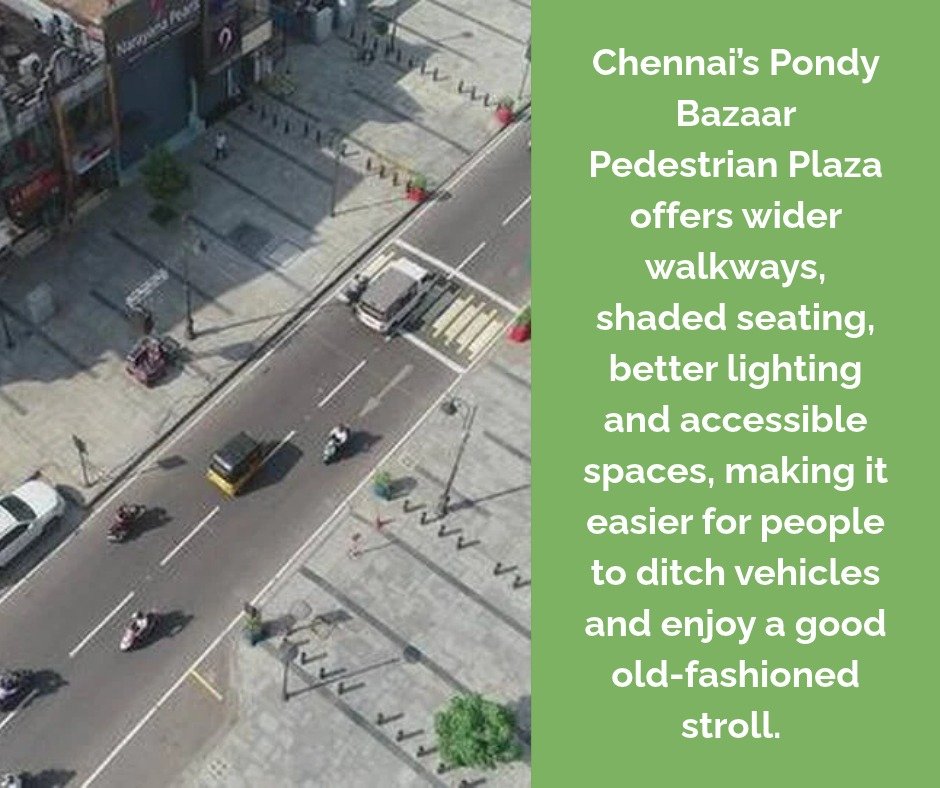
The takeaway: Turns out better mobility doesn’t always need an engine. Sometimes, it just needs a footpath that gives you somewhere safe to walk.
2. Give the Bicycle its Main Character Moment
The bicycle is ready to make a comeback. It just needs roads that won’t give it trust issues.
Let’s be real: Cycling makes sense for shorter trips. But pedalling to college or work when it’s practically a mini road trip? That’s a workout nobody signed up for! Safer roads and dedicated cycle lanes can make everyday rides easier, making it effortless to trade fuel bills and fumes for cleaner air.
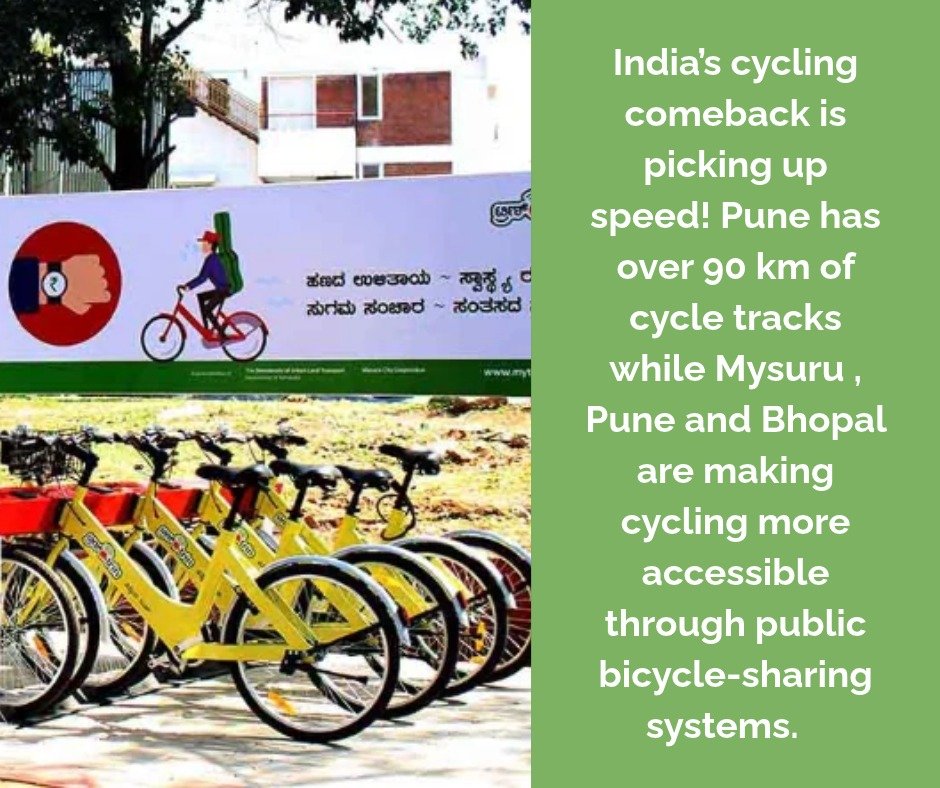
But bicycles can do more than get us from A to B. Shivani Chopra of Mogra Eco Trust cycled 1,300 km from Chennai to Puri through Freedom Ride 2, raising menstrual health awareness and distributing free menstrual cups to underprivileged women. Now that’s a ride with a purpose!
The takeaway: The goal isn’t to get everyone on a bicycle. It’s to make sure those who want to ride have a safe road to do it on.
3. The Bus Deserves a Glow-up Too
One bus can do the job of several cars.
Buses move more people while taking cars off the road. But overcrowding, unreliable timings and traffic jams? Not exactly worth it.
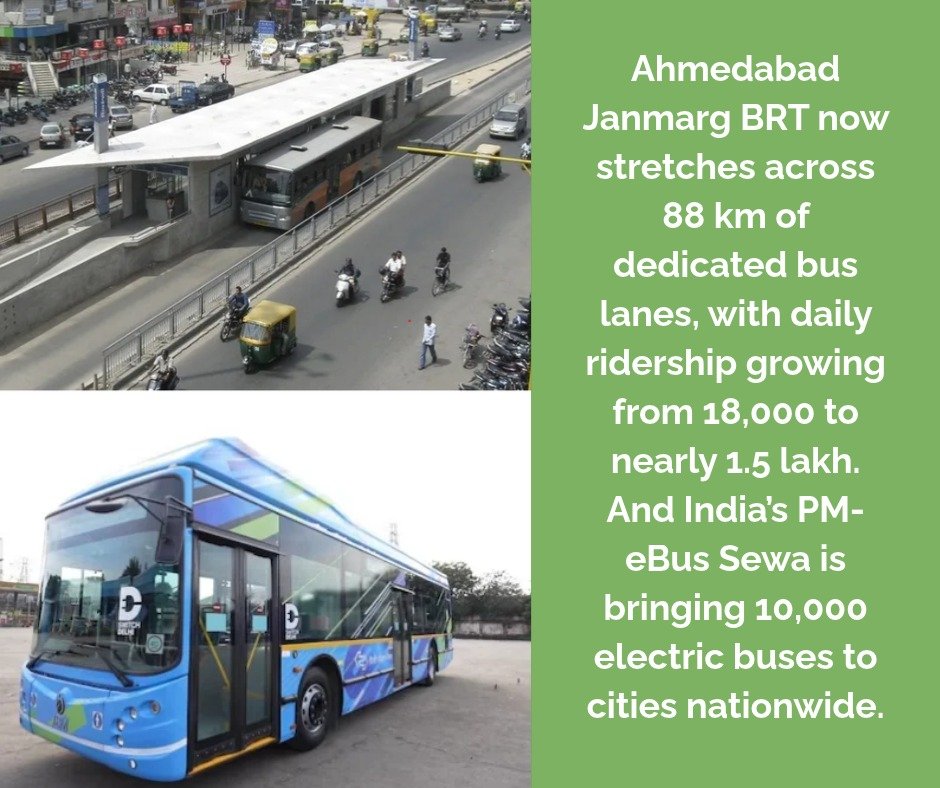
The takeaway: A cleaner bus fleet matters, but a reliable bus service like PM-eBus Sewa is what gets people to choose it.
4. Your Journey Needs Better Connections, Not More Complications
Changing from a bus to a train to an auto shouldn’t feel like a daunting task.
A metro station nearby sounds great until you realise there’s no convenient way to reach it. This is the first- and last-mile connectivity problem, and it is one of the biggest pieces of the public transport puzzle.
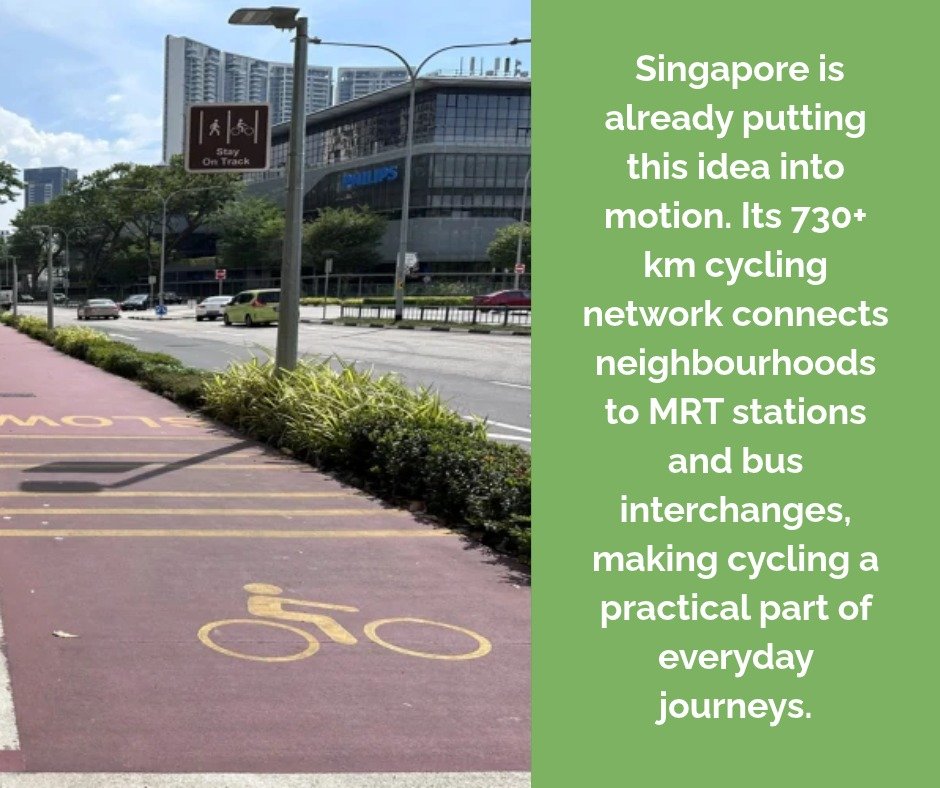
The takeaway: The journey doesn’t end at the station. Every part of it needs to connect.
5. Electric Vehicles: The Green Upgrade With a Few Things to Figure Out
Electric vehicles have entered the chat. But are we looking at the whole picture?
EVs are changing the way we think about everyday travel. They can reduce tailpipe emissions and offer a cleaner alternative to petrol and diesel vehicles. But their batteries need resources to manufacture, and the electricity they run on still has an environmental footprint.
Still, the switch makes a difference. The IEA estimates that, in India, petrol cars produce 1.7 times the lifetime emissions of comparable medium-sized electric cars.
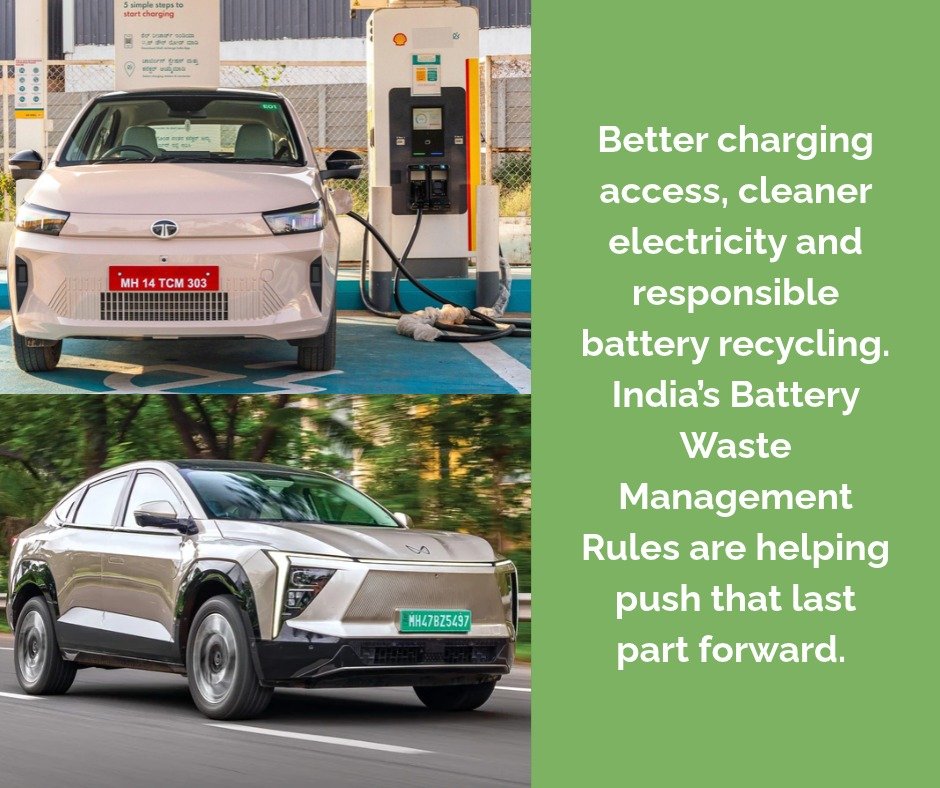
The takeaway: Going electric is an important step, but making the entire lifecycle cleaner is the real goal.
6. What If We Gave the Roads Back to People?
Imagine cycling, walking, grabbing a coffee or simply enjoying the space without constantly watching out for traffic.
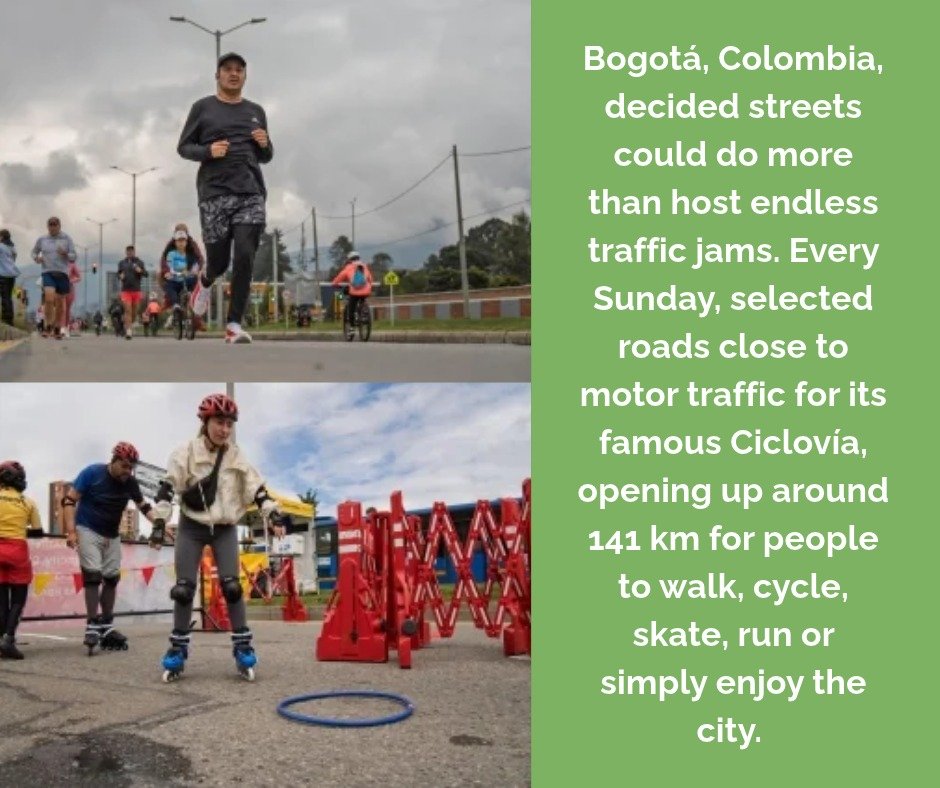
Turns out, roads have a social life too. They’re not just for getting cars from one point to another; they’re for giving people room to move, meet and make memories.
The takeaway: Sometimes, a city doesn’t need more roads. It needs to rethink the roads it already has.
7. Highways Need to Make Room for Wildlife too
Highways may get us places faster, but for animals, they’re one giant obstacle course.
Wildlife crossings – These bridges and tunnels let animals cross busy roads safely, while some even use native plants to blend into their natural surroundings.
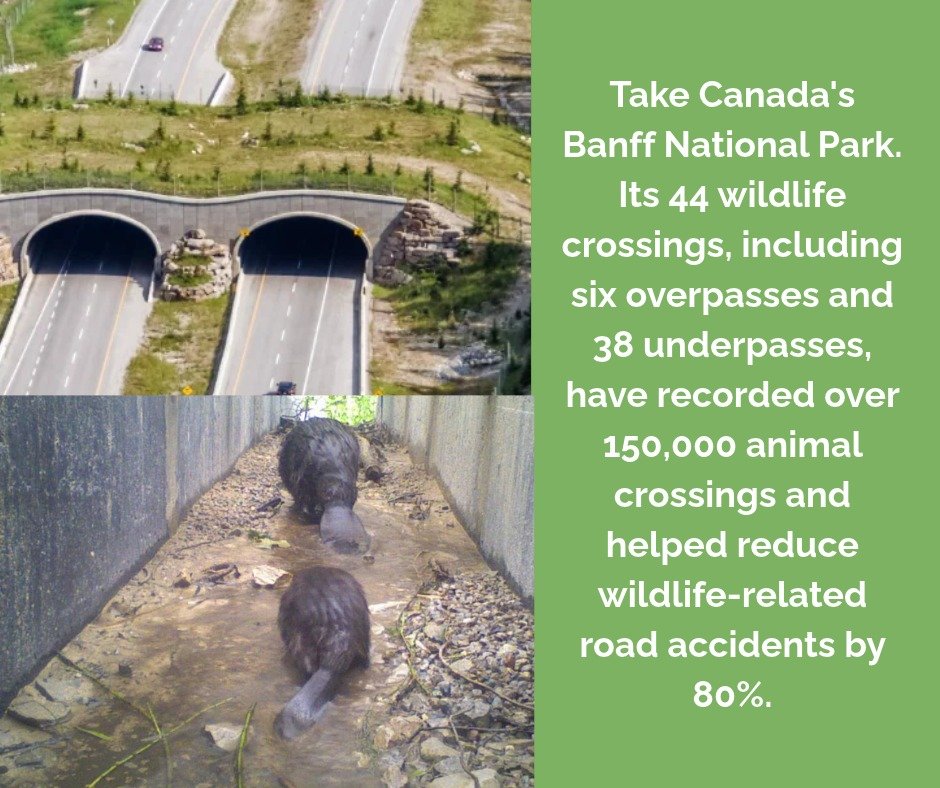
The takeaway: Better roads shouldn’t come at the cost of wildlife. It’s time to make room for our four-legged road users too!
Time to Change Lanes
We don’t need another vehicle stuck in the same traffic. We need smarter ways to get everyone moving.
Better footpaths, safer cycle lanes, and buses that actually show up. Because commuting shouldn’t break your spirit—or the planet.
But greener commutes aren’t a one-person job. Companies can do their bit with employee shuttles, carpooling and cycling-friendly workplaces. Better urban planning, cycle lanes and reliable public transport can make these choices easier for everyone.
This World Sustainable Transport Day, let’s rethink the way we move. Because getting from one point to another shouldn’t feel like a daily battle.
Which idea inspired you the most? Tell us in the comments!
Track your daily sustainable commute and share it with us on Instagram. Don’t forget to tag Green Pistachio.