5 Unexpected People Putting Nature Conservation Back in the Spotlight
Nature conservation has an image problem.
For years, it has been associated with people in khaki shirts, binoculars around their necks and a suspiciously strong relationship with trees.
Thankfully, the real conservation story is far more interesting.
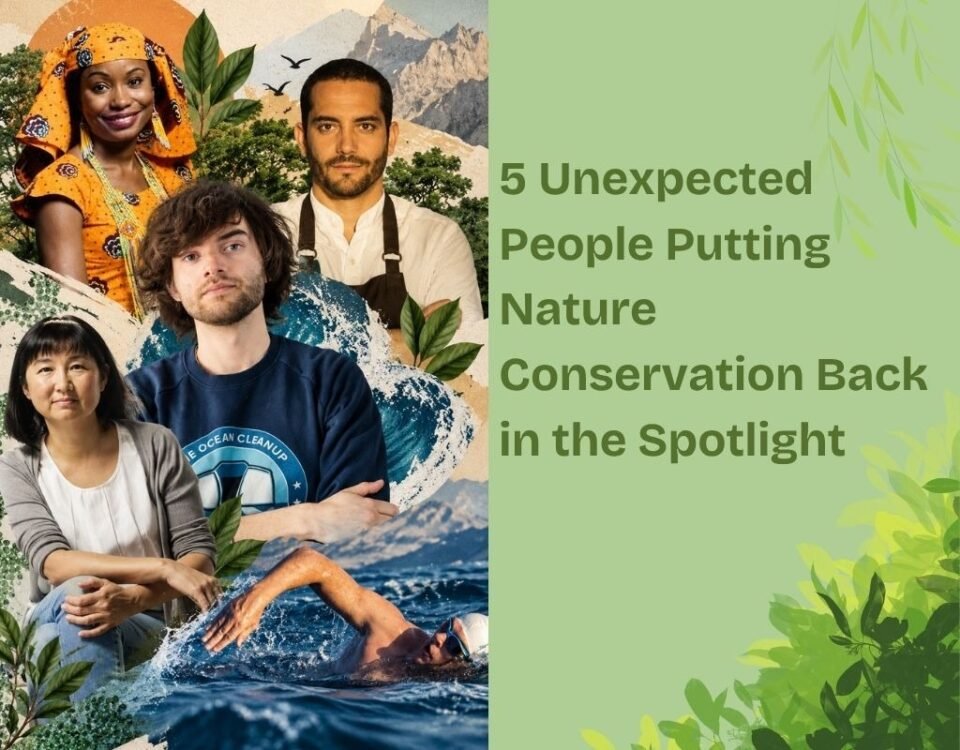
Today, an inventor, a chef, an artist, an Indigenous leader, a wildlife scientist, an endurance swimmer and a landscape restoration leader are finding different ways to put nature back into the conversation.
Their industries are wildly different. Their methods are too.
The common thread is influence: using expertise, platforms and access to tackle very real threats facing forests, rivers, oceans, wildlife and communities.
Seven people proving you don’t need “conservation” in your job title to make a difference.
1. Boyan Slat | Technology
The inventor trying to clean plastic out of oceans and rivers.
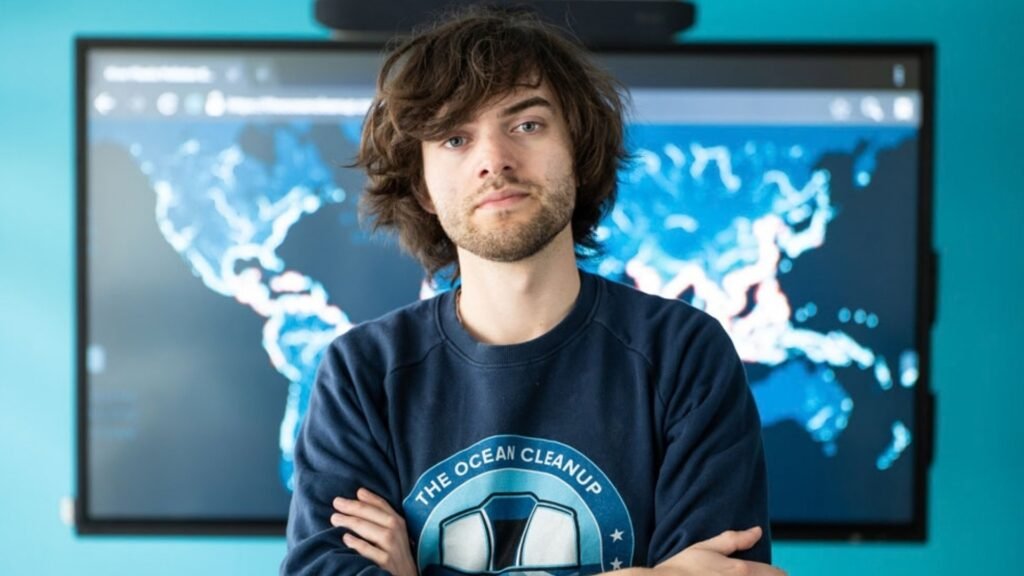
At 16, Boyan Slat went scuba diving in Greece and noticed something rather alarming: there appeared to be more plastic bags than fish. Most teenagers would probably have taken a few holiday photos and moved on.
Slat turned the observation into a school project, then a TEDx talk, and eventually The Ocean Cleanup, which he founded at 18.
The organisation develops technologies to remove plastic already floating in oceans and intercept plastic in rivers before it reaches the sea. Because evidentlywaiting for humanity to improve its waste habits was taking a while.
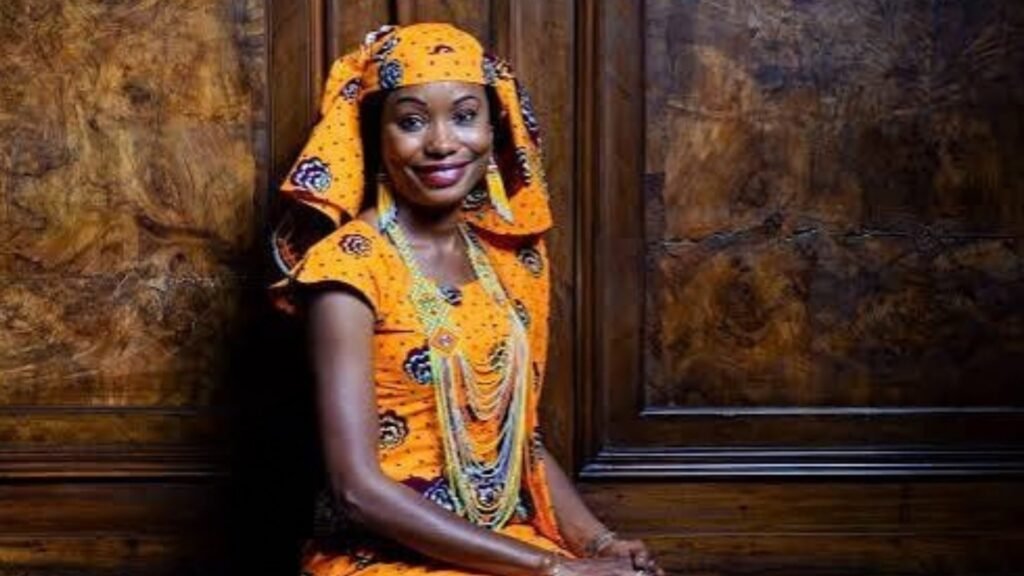
2. Hindou Oumarou Ibrahim | Indigenous Leadership
The woman putting Indigenous knowledge at the centre of water conservation.
The Lake Chad region faces enormous environmental and social pressure, including water insecurity, ecosystem degradation and competition over natural resources.
Hindou Oumarou Ibrahim, an Indigenous Mbororo leader and environmental advocate, brings Indigenous knowledge into environmental decision-making through community dialogue and participatory 3D mapping.
The approach gives communities a role in mapping resources, understanding environmental changes and negotiating how those resources are shared. Turns out, generations of living with an ecosystem can produce some pretty useful data.
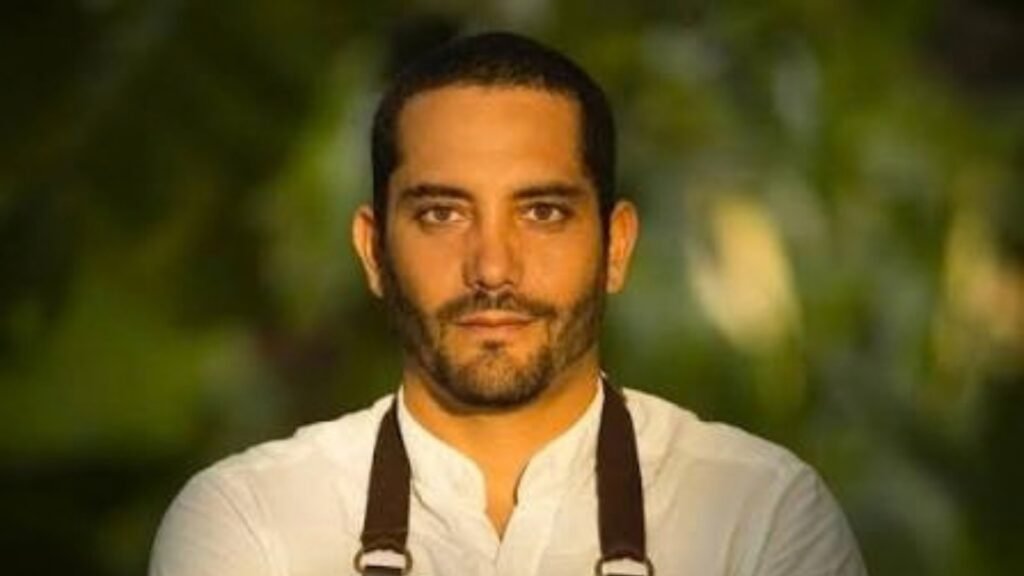
3. Rodrigo Pacheco | Gastronomy
The chef who’s trying to put biodiversity on the menu!
Most chefs think carefully about ingredients. Rodrigo Pacheco is thinking about the ecosystems behind them too.
Through Bocavaldivia, Pacheco explores regenerative gastronomy, biodiversity, ancestral knowledge and food systems. Its Biodiverse Edible Forest brings food production, ecological restoration and habitat into the same landscape.
It is a fascinating reminder that food systems begin long before anything reaches a plate. Suddenly, the ingredient list has a much longer story.
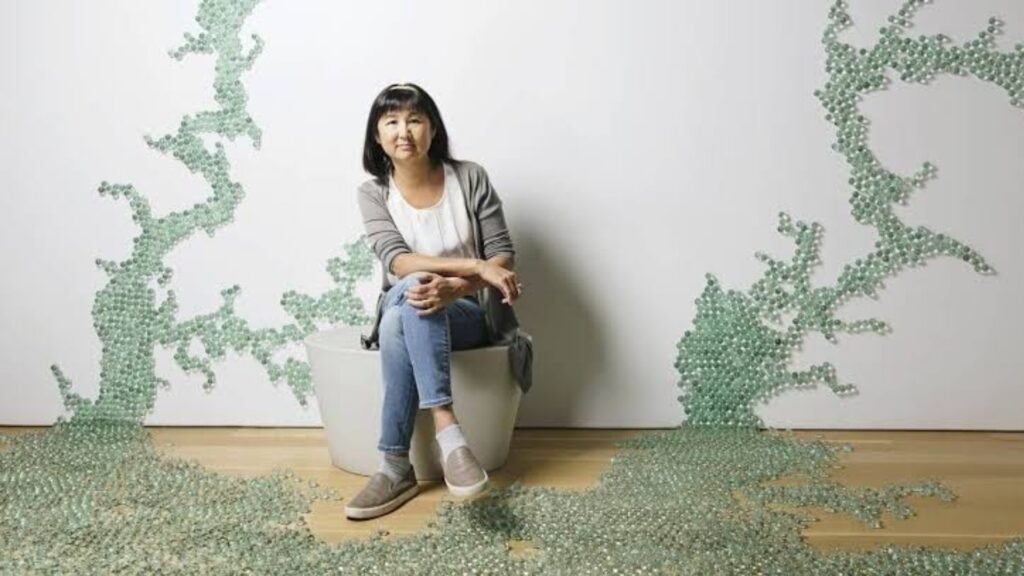
4. Maya Lin | Art & Architecture
The artist who’s creating a memorial for the natural world.
Maya Lin is widely recognised for her work in art and architecture. Her environmental project, What Is Missing?, takes the idea of a memorial into the natural world.
The project combines art, science, mapping and storytelling to document biodiversity loss, habitat change and conservation efforts around the world. Environmental loss can become strangely invisible.
A species disappears. A wetland shrinks. A habitat changes. Eventually, the numbers become another line in a report. Lin’s work gives those losses a visual and emotional record.
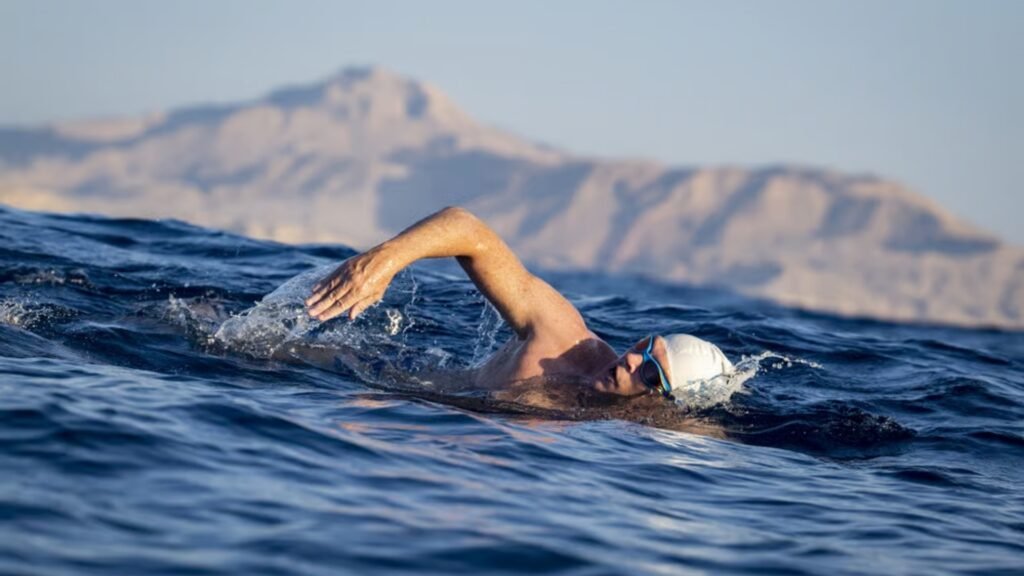
5. Lewis Pugh | Sport
The swimmer turning extreme swims into conservation campaigns!
Some people swim for fitness.
Lewis Pugh swims through freezing, remote and spectacularly uncomfortable waters to draw attention to marine conservation. His endurance swims have supported campaigns for marine protection, including his 2015 Ross Sea swim and his 2018 English Channel swim.
This is environmental advocacy with hypothermia thrown in for dramatic effect.
Pugh understands the communication value of spectacle. A person swimming through icy water is considerably harder to ignore than another environmental statistic appearing in a social media feed.
Different industries. One increasingly obvious lesson.
There is no single career path into conservation.
You can engineer your way into it. Cook your way into it. Map it. Paint it. Swim through it. Research it. Build communities around it.
And that variety may be exactly what nature and conservation need.
Because nature does not operate in departments. A river does not care whether the person protecting it is a scientist, an entrepreneur or a chef. A forest does not send a memo to the sustainability team before becoming part of a supply chain.
Nature is already embedded in how we eat, build, travel, manufacture and make a living. The more clearly we see those connections, the harder it becomes to treat conservation as someone else’s responsibility.
Maybe the most useful thing you can bring to conservation is the thing you already know how to do.