Why Is El Niño Suddenly a Thing in the Corporate World?
Apparently, “How did we perform this quarter?” now comes with a side of “What is the Pacific Ocean doing?” El Niño used to be the stuff of geography textbooks and monsoon forecasts. Now it’s showing up in the same conversations as revenue, margins and growth. In other words, the Pacific Ocean has somehow made it onto the quarterly business agenda.
Between May 1 and August 4, 478 companies mentioned El Niño across 1,443 filings and earnings call documents, according to a Reuters analysis of AlphaSense data. That is the highest number of companies mentioning the phenomenon since 2019. Even more strikingly, nearly 900 documents from Indian companies mentioned El Niño, reflecting how closely Indian businesses remain tied to monsoon conditions.
Food companies. Chemical companies. Banks. Agricultural businesses.
Apparently, “what’s the weather doing?” has graduated from small talk to corporate strategy.
And that’s the bigger story here.
Climate risk has stopped knocking on the boardroom door. It is already sitting inside the earnings call.
El Niño is no longer just a climate event. It’s a business variable with a weather forecast attached.

The weather does not send a warning letter. It sends a supply-chain problem.
The science may be simple. The business consequences are anything but.
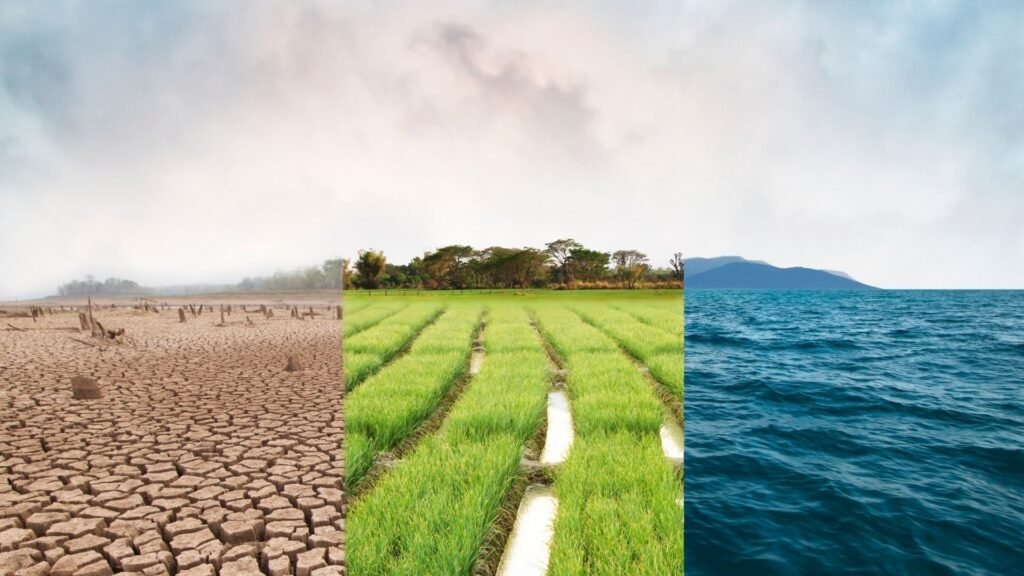
El Niño is a natural climate pattern involving unusually warm waters in the central and eastern Pacific. Its effects can travel much further than the Pacific, influencing rainfall, temperature and weather patterns across regions.
And this isn’t exactly a weather pattern showing up quietly.
The World Meteorological Organisation says El Niño is firmly established and expected to strengthen further, with a near-100% likelihood that it will persist through February 2027.
NOAA’s August assessment put the probability of a very strong El Niño at more than 90% for the Northern Hemisphere autumn and winter of 2026-27. It also estimated a 69% chance of a historic event during October to December, defined as exceeding the strength of previous events since 1950.
For India, this is where the weather forecast starts looking ubiquitously like a business forecast.
The monsoon provides around 70% of India’s annual rainfall, replenishing reservoirs, rivers and groundwater. Nearly half of India’s farmland lacks irrigation, making rainfall particularly important for agricultural production.
When rainfall changes, agriculture feels it first.
Business feels it next.
Farm → commodity → manufacturer → retailer → consumer.
The rain falls on the farm. The consequences eventually fall on the P&L.

India is already seeing the first ripples
This isn’t a 2030 problem waiting patiently for its turn.
India is already getting a preview.
Rainfall in August was 16% below normal, while India’s weather office forecast September rainfall at less than 91% of the long-term average. Crops including cotton, soybean, corn and rice were entering critical growth stages where adequate moisture is particularly important.
CRISIL’s September 8 assessment puts the cumulative rainfall deficiency at 14% so far this season and says the nature of the risk has shifted from acreage to crop yields and winter-crop prospects. Its analysis identifies cotton, bajra, maize, tur, groundnut and soybean among crops particularly vulnerable to deficient rainfall and lower irrigation coverage.
That distinction matters.
Because acreage tells you how much was planted.
Yield tells you how much actually comes out of the ground.
And that can eventually influence everything from raw-material prices to rural incomes and consumer demand.
One Weather Pattern. Three Different Corporate Headaches.
Take a weak agricultural season.
- For an agricultural-input company, it could mean delayed planting and shifting demand.
- For an FMCG company, it could mean weaker rural consumption if farm incomes come under pressure.
- For a lender, it could mean higher stress among borrowers whose cash flows depend on agriculture.
Reuters has already reported Indian companies discussing precisely these kinds of risks. Agricultural-input company UPL has been monitoring potential planting delays and demand shifts, while AWL Agri Business has been assessing the implications for agriculture and rural sales. Companies in the banking and lending space are also watching the potential impact on rural borrowers.
Same weather. Different balance-sheet pain.
That’s the uncomfortable thing about physical climate risk: the weather event is shared, but the damage is not.
And climate risk rarely has the courtesy of introducing itself.
It simply turns up disguised as a business problem:
- higher input costs
- lower sales
- supplier disruption
- working-capital pressure
- credit risk
What can Indian businesses actually do?
Companies can’t control the monsoon.
They can’t put the Pacific Ocean on hold until procurement gets its act together.
What they can control is how badly they’re caught off guard.
1. Find the weak links
Start with the things the business simply cannot function without.
Rain-dependent raw materials. Climate-sensitive commodities. Suppliers sitting in vulnerable regions.
Don’t climate-proof everything.
Find the five dependencies that could bring the business to its knees.
2. Stop putting all your suppliers in one weather basket
One geography. One critical supplier. One extreme weather event.
Suddenly, procurement becomes Survivor: Corporate Edition, with margins at stake.
Diversify suppliers and sourcing regions before everyone else starts looking for the same alternatives.
3. Make the monsoon part of the sales forecast
For businesses selling into rural India, a weak monsoon can quickly become a weak demand story.
Build scenarios for:
Normal monsoon. Weak monsoon. Severe disruption.
You don’t need a crystal ball.
You need to know what breaks when your best-case assumption does.
4. Stop treating water like an ESG checkbox
Measuring how much water your factory uses is sustainability. Knowing what happens when the water runs out is resilience.
Map your water sources. Stress-test them. Build the backup before you need it. Because a factory doesn’t stop production because its ESG dashboard looks bad. It stops because there isn’t enough water.
5. Make resilience someone’s budget, not someone’s presentation
Peruvian miner Compañía de Minas Buenaventura added $12 million in capex for El Niño-related flood preparations and pumping capacity.
That’s the mindset shift: resilience has to leave the presentation and enter the budget.
Flood protection. Water storage. Cooling. Inventory buffers. Alternate suppliers.
These aren’t just sustainability initiatives. They’re business insurance you can actually operate.
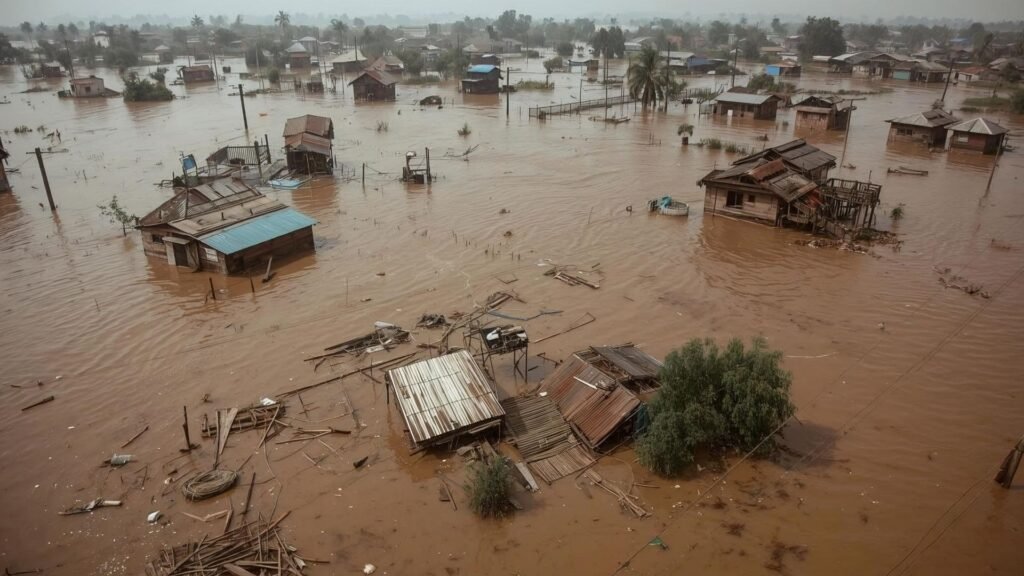
The cost isn’t the weather. It’s the surprise.
Companies have always planned for inflation, interest rates and geopolitical shocks. Climate volatility now belongs on that list.
The smartest businesses won’t predict the next El Niño perfectly. They’ll know where they’re exposed:
- Vulnerable suppliers
- Climate-sensitive commodities
- Water-dependent operations
- Disruption-prone logistics
- Customers vulnerable to income shocks
Because climate resilience isn’t about predicting the weather.
It’s about making sure the weather doesn’t become a business crisis.
For years, corporate sustainability has asked: How much carbon are we emitting?
The next question may be harder: How resilient is the business when the physical world stops cooperating?
Because El Niño may begin thousands of kilometres away, but in an Indian boardroom it can become:
- higher costs
- lower demand
- supplier disruption
- credit stress
And the businesses that prepare early won’t just protect the planet.
They’ll protect the business.
Don’t wait for the next weather shock to expose your weak links. Map your risks, build your buffers and invest in resilience now. Because the best time to climate-proof your business is before climate risk becomes a business crisis.